Lighting management plan for laying hens at different stages
Key points of light management for laying hens at different stages
1. 0–10 weeks: chick stage
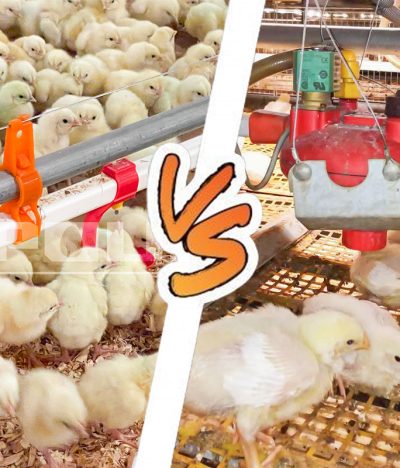
In the first few days after birth, the reproductive system of chicks is not sensitive to light. In order to facilitate management and help them adapt to the environment as quickly as possible, the daily light time can be extended in the early stage (for example, more than 20 hours), and then gradually transition to natural light conditions.
2. 10–20 weeks: rearing period
During this stage, the sensitivity of chicks to light gradually increases. In order to prevent precocious puberty and ensure that the weight reaches the standard, it is necessary to avoid fluctuations in light time. It is recommended to keep it within a fixed range and never extend the light in advance.
3. After 20 weeks of age: near the egg-laying period
When the flock gradually approaches the egg-laying stage, the light time should be appropriately extended to stimulate the normal development of the gonads and prepare for peak egg production. If the chickens are underweight, light can be increased after 12 weeks of age, but it must be combined with an increase in feed intake and ensure that the light increase plan is started no later than 22 weeks of age.
Usually increase by 0.5 to 1 hour per week, and finally stabilize the light at 16 hours per day when the chickens enter the egg-laying period.
⚠️ Note: Chickens are extremely sensitive to light after 16 weeks of age. If the light is adjusted too quickly or too early at this stage, it is easy to cause premature birth, prolapse, anal pecking and other problems.
Seasonal light control scheme
Chickens hatched in spring and summer
The natural daylight hours gradually decrease in spring and summer, and the chicks are in a short-day environment in the later stages of their growth. It is recommended to increase artificial light supplementation by 0.5-1 hour per week after the first egg laying to ensure that the target light amount of 16 hours per day is reached around 30 weeks of age.
Chickens hatched in autumn and winter
During autumn and winter, as the seasons progress, the daylight hours gradually become longer. If you rely entirely on natural light at this time, it is easy to cause the hens to mature prematurely, which will affect their egg-laying performance in the later stages. It is recommended to use artificial light control combined with shading measures to appropriately control the light growth rate.
Use shading technology to control natural light
In an open chicken house, you can simulate the lighting environment of a closed chicken house by installing shading roller blinds on doors and windows. Open and close the roller blinds at the set time to achieve effective management of natural light, make the lighting plan more accurate, and reduce the energy consumption of artificial lighting.
The lighting time should increase steadily and avoid fluctuations
From the time the chickens hatch, the longest natural lighting time before 20 weeks of age should be determined as a benchmark based on local sunshine data, and the artificial lighting time should be slowly extended every week, eventually stabilizing at 16 hours/day.
The rhythm should be kept consistent throughout the process to avoid short and long periods to ensure good adaptation of the chickens.