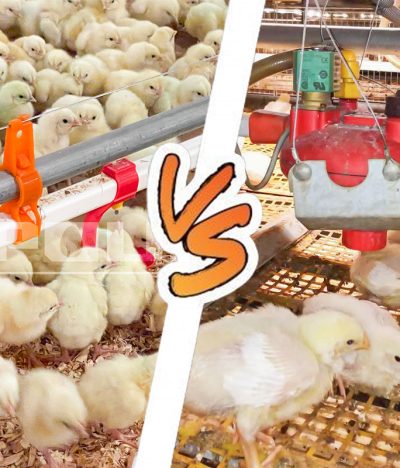
Comparison between A-type and H-type stacked cage systems
Poultry cage systems are designed to optimize the living conditions of hens while increasing egg production efficiency. They play a key role in modern poultry farming by reducing labor costs and increasing productivity. Among the most popular systems, the A-type layer cage and the H-type layer cage each have their own characteristics and advantages.
A-Type Layer Cages: Simple and Affordable
Design and Construction
A-Type layer cages are known for their simple and efficient design. These cages are typically made of galvanized wire mesh arranged in rows, forming an overall “A”-shaped, suspended structure. This design is particularly popular with small and medium-sized poultry farms due to its ease of installation and maintenance.
Advantages
Low Cost: A-Type cages are generally cheaper to purchase and maintain, making them very attractive to farmers on a budget.
Easy to Operate: Their design allows for easy access to each bird, facilitating daily operations such as feeding, egg collection, and health checks.
Space Utilization: The design optimizes space utilization, providing convenient access for feeding and egg collection.
H-Type Layer Cages: Efficient and Automated, Suitable for Large-Scale Farming
Design and Structure
H-type layer cages, also known as group cages or stacked cages, feature a more complex design with multiple layers of vertically stacked cages. This system accommodates more birds per cage while also promoting social interaction and a certain level of activity.
Advantages
High Stocking Density: H-type cages are larger, allowing for more birds per cage, significantly improving production efficiency and farm scalability.
High Automation: Equipped with advanced automation technology, typically including automated feeding, watering, egg collection, and manure removal systems, this significantly reduces labor costs and management effort.
Excellent Hygiene: Each cage level is equipped with a manure removal belt to promptly remove feces, ensuring a cleaner environment and effectively reducing the risk of disease transmission.
Comparative Analysis
Animal Welfare and Production Efficiency
H-type cages provide more space for each bird to move around, which has a positive impact on bird welfare and overall production efficiency. The increased space allows hens to express more natural behaviors, potentially resulting in a healthier, more productive flock.
Cost-Benefit Considerations
While A-type cages have a lower initial cost, the automated features and efficient management of H-type cages may offer greater long-term benefits through reduced labor costs and increased production.
Environmental Impact
A-type cages have a relatively low environmental impact due to their compact design and lower stocking density. In contrast, H-type cages may result in slightly higher waste generation and resource consumption due to their higher stocking density and automated equipment.
How to Make the Right Choice? The Ultimate Guide to Choosing Poultry Equipment
Choosing between A-type and H-type poultry cage systems ultimately comes down to your specific needs and priorities. Consider the following factors when making your decision:
Scale: For small to medium-sized farms, A-type cages may offer the best balance between cost and functionality. For larger farms seeking economies of scale, H-type cages offer greater scalability and efficiency.
Budget Constraints: For farms with limited budgets, A-type cages are an ideal choice. H-type cages, on the other hand, require a higher initial investment but offer the potential for long-term returns.
Animal Welfare Priority: If animal welfare is your top priority, the larger space and automated environmental controls offered by H-type cages support healthy, productive flocks.
Automation Needs: Evaluate your workforce. If you’re looking to significantly reduce labor input, automated chicken production equipment—H-type cages—are a more modern option.
Whether it’s the classic A-type layer cage or the modern H-type stacked cage system, there’s no absolute best answer, only the option that best suits your farm’s current situation. By thoroughly understanding the characteristics of these two types of poultry farming equipment and weighing them against your own circumstances, you can invest in the most suitable layer chicken farming system and achieve a win-win situation for both economic benefits and animal welfare.