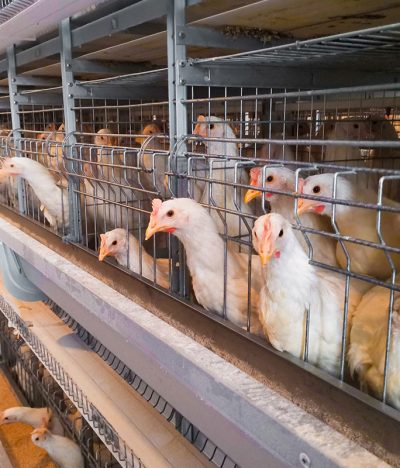
Poultry Farm Disinfectant Selection Guide
Drinking Water Disinfection: Safety First
Key Principle: Choose a specialized disinfectant that is non-corrosive and non-irritating to the chicken’s intestines.
Preferred: Halogen-based disinfectants.
Commonly used: Sodium hypochlorite, bleaching powder, sodium dichloroisocyanurate, chlorine dioxide.
Precautions: Discontinue use during the immunization period and prepare the water strictly according to the concentration instructions.
Spray Disinfection: Different Scenario
1. Spraying with Chickens
Purpose: Dust reduction, sterilization, and humidification.
Selection Criteria: Low irritation, high safety.
Recommended Disinfectants:
Iodine preparations: Povidone iodine, diquaternary ammonium monoiodine.
Oxidants: Peracetic acid, chlorine dioxide.
2. Spraying Empty Houses
Purpose: Thorough disinfection, eliminating dead corners.
Selection Criteria: High efficiency, broad spectrum, and can be highly irritating.
Recommended Disinfectants:
Strong Alkali: Sodium Hydroxide (Caustic Soda, 1%-3% solution).
Phenolic: Cresol Soap (Lysol).
Oxidant: Peracetic acid.
Immersion Disinfection: Anti-Corrosion
Key Principle: Choose a disinfectant that is less corrosive to equipment.
Recommended Disinfectants:
Halogens: Chlorine dioxide, bleach solution.
Phenolics: Compound phenols.
Special Note: A 3%-5% caustic soda solution is recommended for the site entrance disinfection pool.
Fumigation: Ultimate Sterilization
Applicable Applications: Hatcheries and well-sealed empty chicken houses.
Core Principle: Utilizes gas for powerful, comprehensive disinfection.
Recommended Disinfectants:
Classic Combination: Formaldehyde + Potassium Permanganate.
Other Options: Ethylene Oxide, Polyoxymethylene.
Key Requirements: Must be tightly sealed for at least 24 hours, followed by thorough ventilation.
Key Points Summary
Clean First, Disinfect Next: Thorough cleaning is essential for effective disinfection.
Rotate Disinfectants: Regularly rotate disinfectants with different compositions to prevent drug resistance.
Strictly Follow Disinfectant Instructions: Concentration, temperature, and duration of exposure all affect effectiveness.
Through the precise selection and proper use of disinfectants, a solid biosafety defense system can be established for your poultry farm.
The key to successful winter brooding lies in balancing insulation and ventilation. Scientific temperature and humidity control, along with meticulous ventilation management, can not only reduce disease risk but also improve chick survival and growth performance. Farmers are advised to develop personalized management plans tailored to their facility conditions, regularly monitor flock health, and make timely adjustments to ensure chicks remain healthy throughout their critical winter growth period.