8 Ways to Improve Egg Production in Caged Layers
1. Vitamin C Supplementation: A Powerful Tool for Combating Heat Stress
Vitamin C plays a key role in regulating body temperature and alleviating heat stress.
Research Support: Russian research shows that adding 40 mg of vitamin C per kilogram of feed for three months at temperatures between 17.8 and 44.4°C can increase egg production by approximately 6%. Under a wider temperature range (7 to 70°C), adding 30 mg/kg of vitamin C can increase egg production by 7% over 48 weeks.
Practical Recommendation: Especially during hot weather, adding an appropriate amount of vitamin C to the diet can effectively maintain physiological stability in laying hens and ensure egg production performance.
2. Choline Supplementation: Increases Egg Weight and Production
Choline is an important nutrient for maintaining liver health and lecithin formation, and has a direct impact on eggshell quality and egg weight.
Research Support: A US trial found that laying hens supplemented with 0.05% choline in their feed had an egg production rate of 76.2% and an average egg weight of 61.5 grams. The unsupplemented group, on the other hand, had an egg production rate of only 73.3% and a lower average egg weight.
Practical Recommendation: Ensuring adequate choline in the diet is a cost-effective way to improve overall egg production and egg quality.
3. Feeding Pollen: A Natural Egg Production Booster
Plant pollen is rich in protein, vitamins, and various bioactive substances, effectively improving the health of laying hens.
Research Support: Adding corn pollen to laying hen feed has been observed to increase egg production by 11%.
Practical Recommendation: Pollen, as a natural feed additive, is widely available and safe to use, providing comprehensive nutritional supplements for chickens.
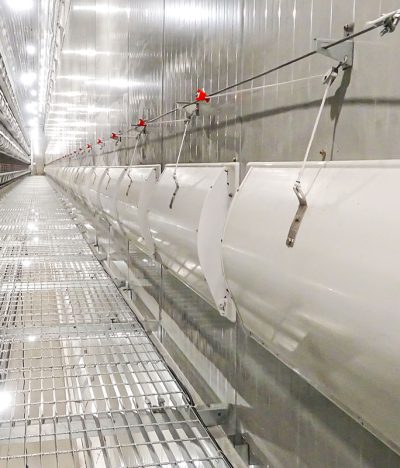
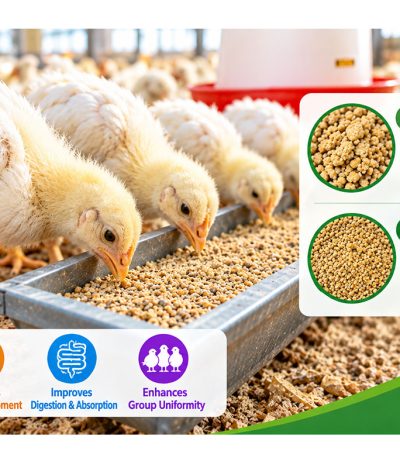
(Tip: Use a durable, corrosion-resistant, high-galvanized steel feed trough to better preserve feed quality, offering a service life of up to 20 years and reducing equipment replacement costs.)
4. Adding Tryptophan: Stabilizing Late-Laying Performance
Tryptophan is an essential amino acid that participates in protein synthesis and has endocrine effects.
Research Support: Japanese experts indicate that adding 0.5‰ of L-tryptophan to laying hen feed can increase egg production by 9%. This effect is long-lasting, maintaining a high egg production rate even after 53 weeks of age.
Practical Recommendation: Pay attention to the amino acid balance in the diet, especially during the middle and late stages of laying. Supplementing with tryptophan can help slow the decline in egg production.
5. Clever Use of Chili Powder: Stimulating Appetite and Boosting Production
Chili powder, rich in capsaicin and vitamins, can stimulate appetite and promote blood circulation in chickens.
Research Support: Hungarian experts recommend adding 1% dried red chili powder and alfalfa meal to chicken feed, along with a small amount of vegetable oil. This method can increase egg production by 7%-8%.
Practical Recommendation: Use food-grade chili powder and ensure it is mixed evenly to avoid excessive dust that could affect the chickens’ respiratory health.
6. Short-term starvation: Stimulating reproductive potential (use caution)
This method uses short-term nutritional manipulation to regulate the hens’ endocrine system and promote the concentrated development of their reproductive system.
How to use it: Start approximately one month before the hens enter their egg-laying period. Gradually reduce feed intake during the first week. After one week, reduce feed to 1/20 of the normal amount, primarily water, to maintain a state of high starvation. Continue this for approximately one month, then gradually return feed to normal levels over another week.
Potential effects: This method is reported to increase egg production by approximately 40%.
Important note: This method is highly stressful for the flock, requires high technical skills, and carries certain risks. Ensure the flock is healthy and closely monitor the birds before implementing this method. It is recommended that you conduct this method under the guidance of a veterinarian or qualified healthcare professional.
7. Cooling Chicken Heads: An Innovative Summer Cooling Method
Chickens lack sweat glands and dissipate heat primarily through their combs, wattles, and respiration. Directly lowering head temperature can effectively alleviate heat stress.
How to Use: In the summer, install ventilation and cooling systems in the chicken house, such as directional air ducts, to direct cool air to the birds’ head level.
Potential Benefit: By effectively lowering chicken head temperature, egg production can increase by approximately 25%, making it an effective way to combat the summer drop in egg production.
8. Coloring Feeders: Leveraging Color Psychology
Chickens are sensitive to color, and bright colors stimulate their nervous system and increase their appetite.
How to Use: Paint feeders in bright colors like red and yellow, which are popular with chickens.
Potential Benefit: By increasing the birds’ appetite, egg production can be indirectly increased by approximately 12%. This is a very low-cost and easy-to-implement efficiency-enhancing trick.
Improving the egg production rate of caged laying hens is a systematic project. The eight methods above provide scientific evidence and practical ideas, ranging from nutritional supplements (vitamin C, choline, pollen, tryptophan, and chili peppers), management techniques (starvation and cooling), to environmental enrichment (colored feed troughs). Farmers can selectively experiment and combine these methods based on their own breeding conditions and flock status, closely monitoring the results to ultimately find the most suitable high-yield solution for their farm.