Comprehensive Guide to Poultry Cage Systems
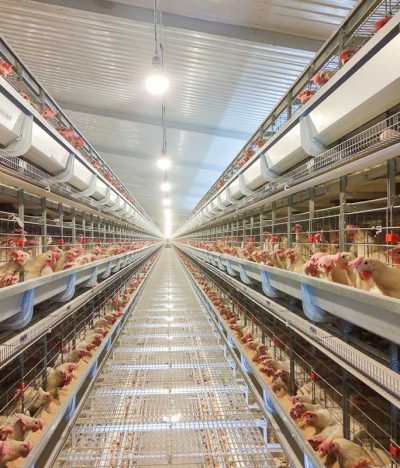
In the pursuit of efficient egg production, battery cage systems (often referred to as battery cages) have long dominated. This system, which houses laying hens in stacked wire cages, has shaped the modern egg industry with significant advantages:
The core advantages of the layer cage system:
1. Improved Biosafety and Hygiene: The closed, controlled environment effectively reduces the risk of disease and parasite transmission. The wire mesh floor facilitates thorough cleaning and disinfection, maintaining high standards of hygiene.
2. Maximized Egg Production and Profitability: High-density farming is a core design concept. Accommodating a large number of hens within a limited space significantly increases egg production per unit area, resulting in higher economic returns for farmers.
3. Reduced Labor Costs: The integrated automation system (automatic feeding, watering, and egg collection) significantly reduces the need for manual operations, effectively saving farmers time and labor costs.
4. Ensured Egg Quality Consistency: The controlled environment ensures the production of clean, low-breakage eggs, reducing the risk of contamination, and improving market prices and consumer acceptance.
However, the increasingly prominent drawbacks of battery cage systems have sparked widespread concern and controversy:
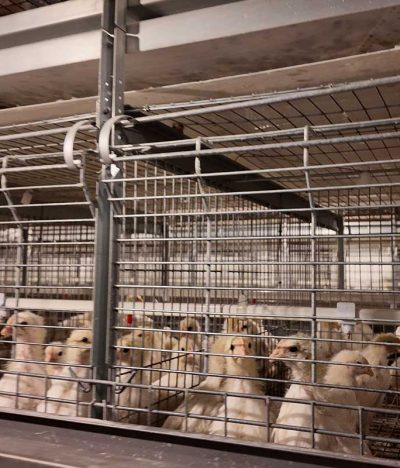
1. Serious animal welfare ethical issues: This is the core point of criticism. The cramped, overcrowded cages severely restrict hens’ ability to express their natural behaviors, such as free movement, wing-spreading, dust-bathing, roosting, and nesting, and are widely considered an inhumane breeding method.
2. Compromised hen health and welfare: High density and restricted movement can lead to a range of health issues in hens, including bone fragility (such as osteoporosis), feather damage, foot problems, increased stress, and accelerated disease transmission.
3. Significant environmental pressures: The large amounts of manure generated in concentrated areas are difficult to dispose of. If not properly managed, they can easily pollute the air (ammonia emissions) and water sources, posing a threat to the surrounding environment and ecosystem.
4. Impacts on worker well-being: Cage operations are often labor-intensive and repetitive, potentially increasing the risk of worker injury. High density also increases the potential risk of zoonotic disease transmission.
Given the above drawbacks, industry experts are turning to more sustainable alternative systems:
1. Free-Range Systems:
● Advantages: Hens have free access to outdoor areas, enjoying sunlight, fresh air, dust baths, and ample space for exercise, significantly improving animal welfare. These systems are highly sought after by consumers who prioritize ethical consumption.
● Disadvantages: Requires more land and management; relatively high biosecurity risks (exposure to wild birds, pathogens); higher egg collection and cleaning costs; and more meticulous management required in extreme weather conditions.
2. Enriched (Furnished) Cage Systems:
● Advantages: Significantly improves upon traditional cages, providing more space (minimum 750 cm² per bird according to EU standards) and mandatory provision of perches, nests, bedding areas, and scratching facilities to meet the hens’ key natural behavioral needs.
● Disadvantages: Still limited space (unable to fly or stride); system conversion requires financial investment; and animal welfare advocates consider it a suboptimal solution.
3. Cage-Free System:
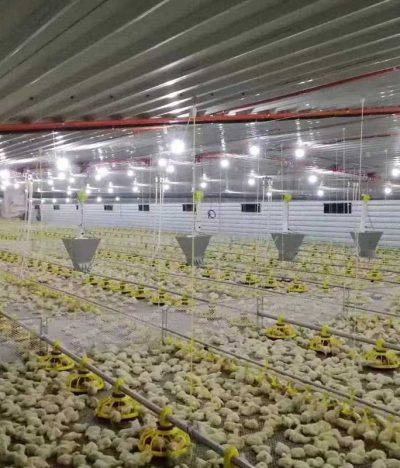
● Advantages: Hens roam freely throughout the entire house (single or multi-story), allowing them to fully express natural behaviors such as dust bathing, roosting, and socializing. Perches and nesting boxes are typically provided. This system is the primary solution for meeting consumer demand for “cage-free” housing.
● Disadvantages: House management is more challenging (behaviors such as feather pecking must be prevented); more comprehensive ventilation and manure management are required; feed consumption may increase slightly; and initial construction and renovation costs are higher.
How to choose the right farming system?
1.No ventilation for a long time, too much harmful gas, or insulation equipment failure
2.Improper use of insulation equipment or quality problems of insulation wall in chicken house
3.The size of the cooling pads are not suitable or the ventilation time is too long
4.High feeding density or poor airtightness of chicken house
The Reasons For Abnormal Humidity In Closed Chicken House
There’s no one-size-fits-all answer. The best choice depends on the farmer or producer’s core considerations:
● Cost and Return on Investment: Initial investment, operating costs (feed, labor, energy), and the potential for a premium egg price.
● Labor and Management: Different systems vary significantly in the level of management sophistication and labor requirements.
● Animal Welfare Commitment: The emphasis on improving the quality of life of the hens.
● Environmental Sustainability: Manure disposal capacity, resource consumption (land, water), and environmental impact.
● Market Demand and Certification: Target consumer preferences (e.g., whether free-range or organic certification is required) and retailer purchasing policies.