Effects of light on laying performance of laying hens and management strategies
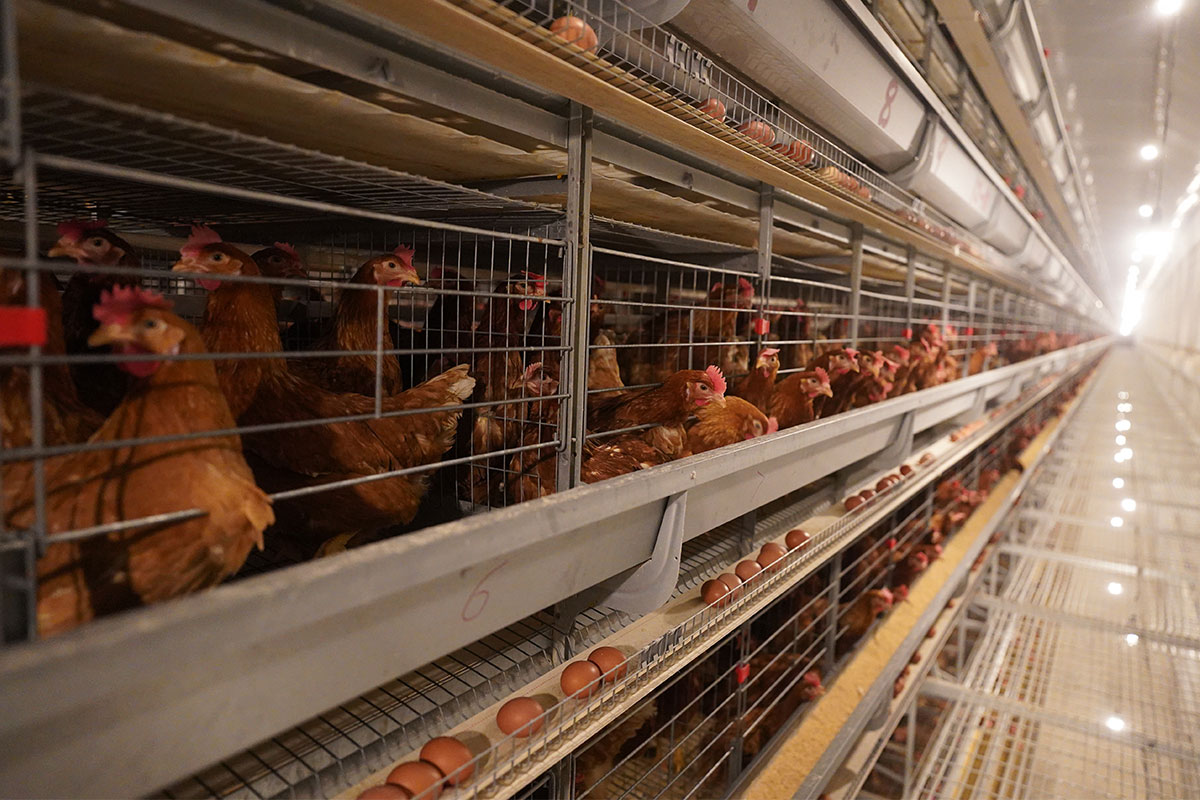
During the entire egg-laying cycle of laying hens, especially during the peak egg-laying stage, scientific management of light time and light intensity is essential to maintain high production levels. Reasonable light not only promotes hormone secretion, but also directly affects the egg-laying pattern and health status of chickens. Therefore, artificial light supplementation is often used in modern breeding.
Lighting requirements for laying hens at different stages
Laying hens have different sensitivity to light at different growth stages and need to be managed differently according to their physiological characteristics. The lighting time of the flock during the laying period must be stable, and it is strictly forbidden to shorten it at will, otherwise it is easy to disrupt the biological rhythm and lead to a decrease in egg production.
1. Light intensity requirements in the chicken house
Appropriate light intensity can keep the flock active and promote normal egg production. The recommended light intensity is 10 to 20 lux (about 3 to 4 watts/square meter), and the light should be evenly distributed to avoid shadow blind spots.
Too dark light: affects the feeding and egg-laying of chickens, resulting in a decrease in egg production;
Too strong light: easily causes chickens to be nervous and uneasy, and even pecking feathers or fighting.
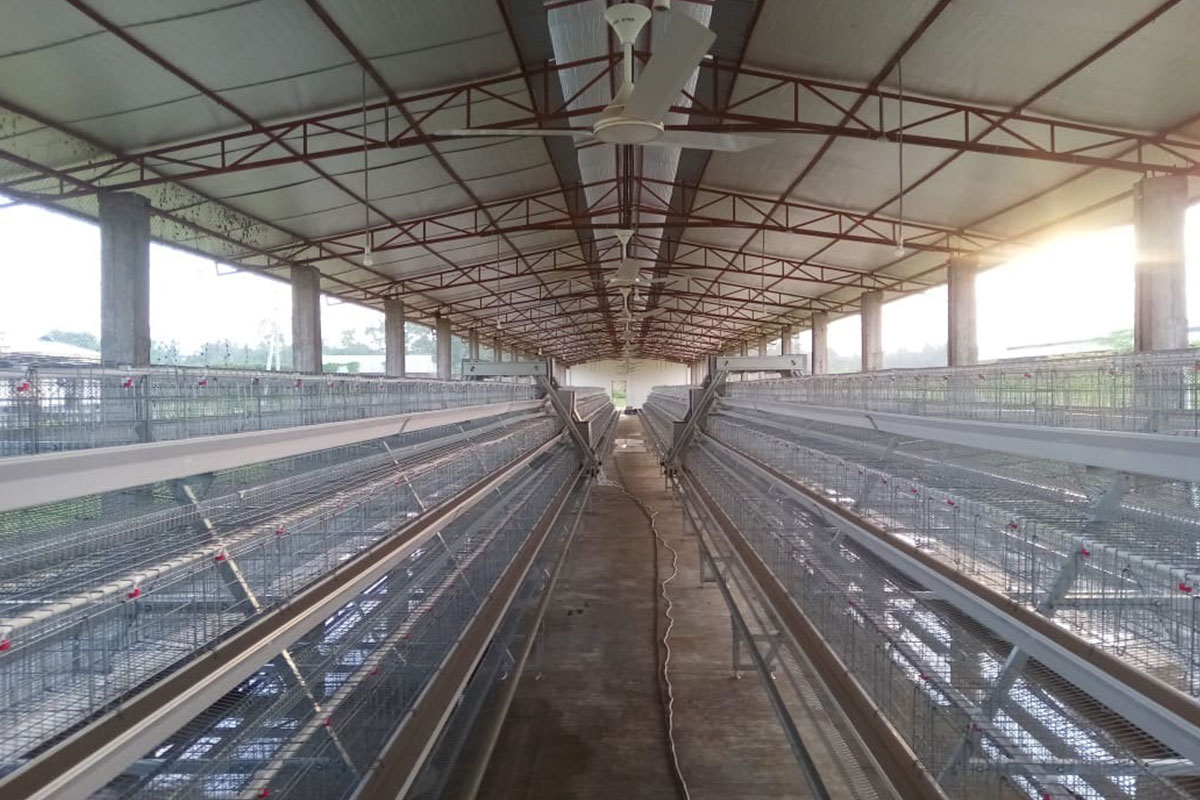
It is recommended to install the lamps directly above the chicken house walkway, about 2 meters from the ground. Commonly used bulbs are 15-60 watt incandescent lamps or LED lamps.
2. Chicken house lighting time management
Closed chicken house lighting control:
Closed chicken houses can completely adopt artificial lighting systems, and the lighting is highly controllable, which is one of the important conditions for improving egg production.
Chicks (0-1 week old): 23-24 hours of light per day;
Growth period (2-20 weeks old): 8 hours per day;
Entering the egg-laying period (after 20 weeks of age):
20 weeks of age: 8 hours;
21-24 weeks of age: increase 1 hour per week;
After 25 weeks of age: increase 0.5 hours per week;
After 32 weeks of age, maintain 16 hours of light per day until the end of egg production.
It is recommended to provide 8 hours of continuous darkness at night to help the chickens rest normally and prevent fatigue accumulation and abnormal behavior.