Advantages of Floor-raising Systems for Broiler Chickens
Why is the free-range broiler rearing model recommended?
1. Significantly Improved Chicken Health
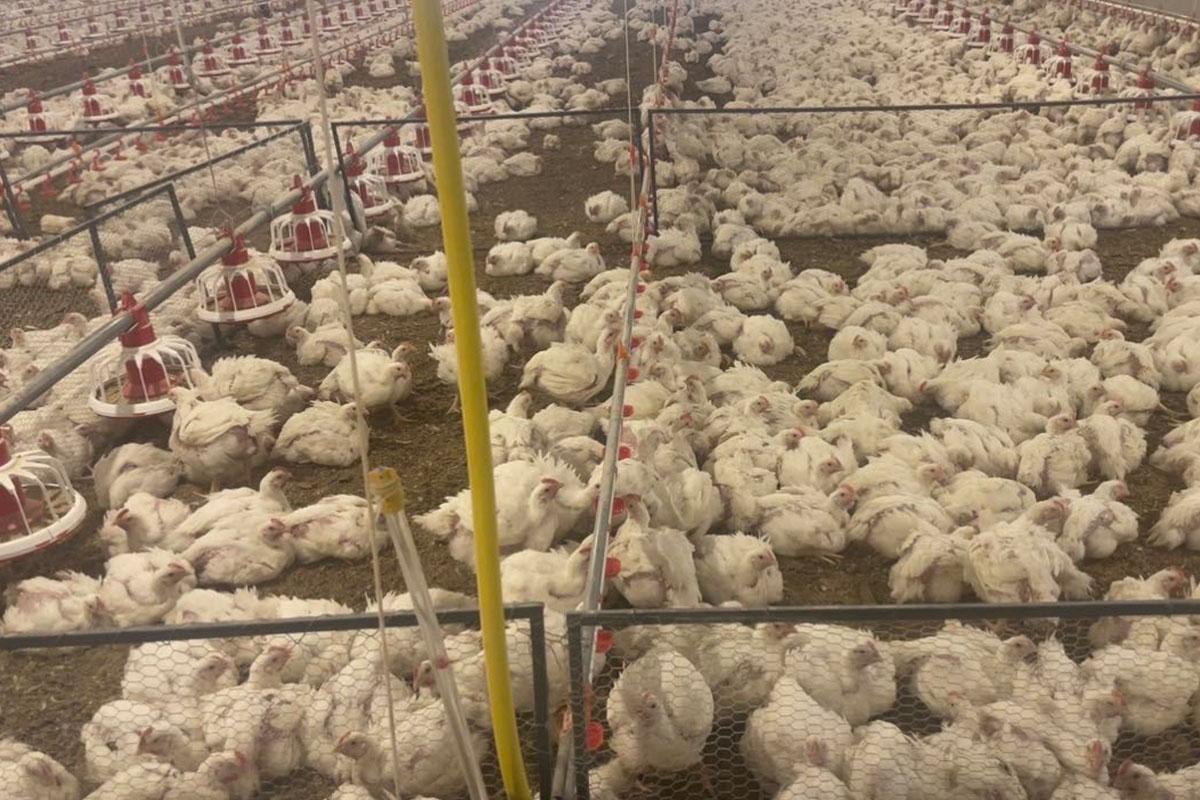
Free-range rearing provides broilers with ample space to move around, run, and flap their wings freely in a natural environment, receiving sufficient exercise. This free-roaming lifestyle can:
Enhance Physical Fitness: Moderate exercise promotes bone and muscle development and improves immunity.
Reduce Disease: Good ventilation and sufficient lighting reduce the incidence of respiratory diseases and parasites.
Reduce Stress: The natural living environment reduces psychological stress on chickens, which is beneficial for growth and development.
2. Effectively Improved Meat Quality
Broilers with ample exercise have better muscle development, resulting in firmer meat. The characteristics of free-range chicken meat include:
Better Taste: Well-developed muscle fibers, elastic meat, and a tender yet chewy texture after cooking.
Richer Flavor: Free movement promotes the accumulation of flavor compounds in the muscle, resulting in a richer chicken flavor.
Richer Nutrition: Free-range chickens can obtain a more diverse range of natural foods, resulting in a more balanced nutritional composition in the meat.
3. Improved Overall Farming Efficiency
Although floor-raising has a relatively low stocking density, it offers significant advantages in terms of overall benefits:
Product Premium: High-quality floor-raised chicken meat commands higher market prices.
Reduced Medication Costs: Improved chicken health reduces the need for veterinary drugs and vaccines.
High Survival Rate: The natural farming environment reduces stress and improves overall survival rates.
4. Promotion of Sustainable Farming Development
Floor-raising aligns with modern ecological farming principles and offers multiple environmental benefits:
Resource Conservation: Reduced investment in cage-raising equipment lowers consumption of resources such as steel.
Energy Optimization: More efficient use of natural light and ventilation reduces energy consumption.
Environmentally Friendly: Manure falls directly onto the bedding, facilitating centralized treatment and resource utilization.
Main Broiler Breeds Suitable for Floor-Raising
White-Feathered Broilers: The First Choice for High-Efficiency Production
White-feathered broilers are currently the most important commercial broiler breed globally. Their characteristics include:
Rapid Growth: Fast growth and development, short rearing cycle, generally ready for market in 5-6 weeks.
High Feed Conversion Rate: Feed conversion ratio of approximately 1.6:1, outstanding feed utilization efficiency.
Strong Adaptability: Tolerant of roughage, strong disease resistance, suitable for large-scale farming.
Good Processing Performance: Fully white feathers, resulting in a clean and attractive carcass after slaughter, without any colored feather residue.
Colored Broiler Chickens: A Choice for Premium Flavor
Colored-feather broiler chickens are mostly local specialty breeds or premium breeds, such as yellow-feathered broilers and Sanhuang chickens. Their characteristics include:
Superior Meat Quality: Tender and flavorful meat with a rich chicken flavor and complex texture.
Outstanding Appearance: Often exhibiting the “three yellows” characteristics (yellow feathers, yellow beak, yellow shanks), with a rounded body and glossy feathers.
Good Slaughter Quality: Thin, compact, and yellow skin; tender yellow subcutaneous fat; moderate fat deposition in the breast and abdomen.
High Market Value: Longer growth cycle but higher added value, suitable for high-end market positioning.
Biological Characteristics and Key Points of Broiler Chicken Farming Management
Temperature Adaptability Management
Broilers are physiologically sensitive to heat but tolerant of cold. Their bodies are covered in feathers, providing good insulation, but they lack sweat glands, limiting their heat dissipation capacity. The normal body temperature of an adult broiler is 40.5-42.5°C. In farming management, the following should be noted:
Refrigeración en verano: Effective cooling measures must be taken during hot seasons to prevent heat stress. Excessive temperature can lead to reduced feed intake, increased water consumption, slowed growth, and in severe cases, death.
Winter Insulation: Proper insulation is essential during cold seasons. Low temperatures affect feed utilization efficiency, leading to decreased production performance.
Social Nature and Feeding Management
Chickens are typical social animals and are suitable for large-group farming. The following principles should be followed in management:
Stable Group: Avoid frequent group changes, as introducing unfamiliar individuals can cause fighting, especially among roosters.
All-In, All-Out: Chickens of the same age must be housed in the same shed for unified management and thorough disinfection.
Reasonable Density: Adjust stocking density according to the age of the chickens and the season to ensure each chicken has sufficient space to move around.
Environmental Sensitivity Management
Brokers are highly sensitive to environmental changes and require a stable and suitable breeding environment:
Site Selection: Choose a high-lying, well-ventilated, and dry location, away from other livestock farms and pollution sources.
Control medioambiental: Strictly control temperature, humidity, light, and ventilation conditions within the shed.
Smooth Transition: Adjustments to environmental parameters should be gradual to avoid drastic changes that could cause stress.
Broiler Market Cap Time and Production Cycle
Broilers grow rapidly and have high production efficiency. Broiler chicks weigh approximately 40 grams at hatching, and under scientific feeding and management, they can reach over 2500 grams at 5-6 weeks of age. Their feed conversion ratio is approximately 1.6:1, significantly better than other farmed animals.
Regarding batch scheduling, 1-2 weeks should be allowed after the chickens are sold for thorough cleaning, rinsing, and disinfection. Following this production rhythm, 6-7 batches can be scheduled annually, achieving efficient cyclical production.
Free-range broiler farming, with its comprehensive advantages in chicken health, meat quality, and farming efficiency, is becoming an important development direction for broiler farming. Whether choosing fast-growing white-feathered broilers or high-quality colored-feathered broilers, scientific and reasonable free-range management can help farmers achieve ideal economic returns. In actual production, the most suitable farming model and breed combination should be selected based on one’s own conditions, target market, and farming technology level to achieve sustainable farming development.