Efficient Management of Modern Egg-laying Hen Farming
Overview of Laying Hen Growth
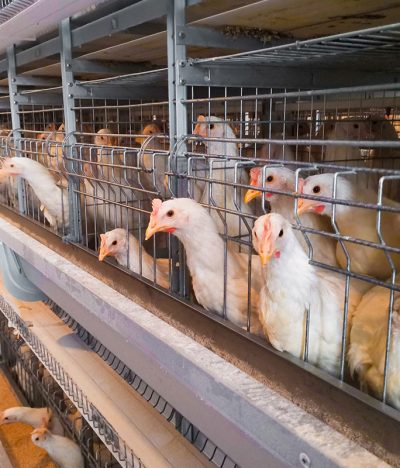
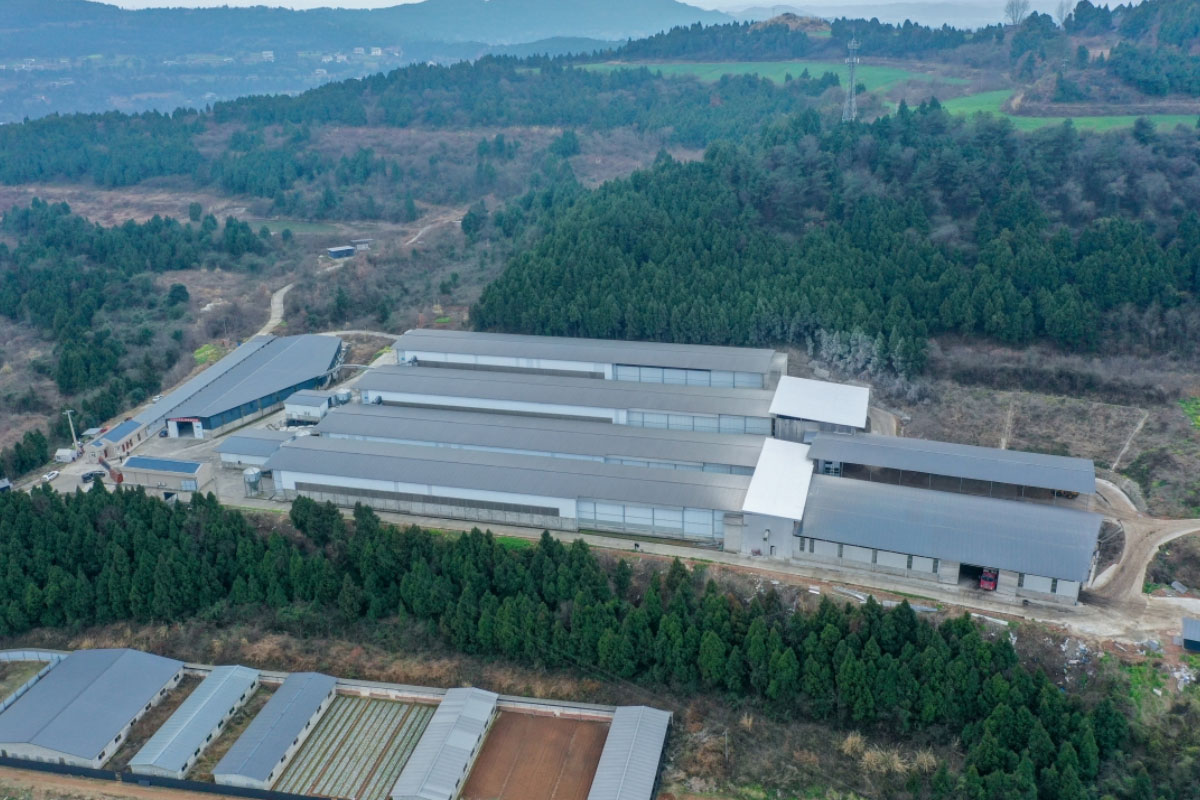
The current batch of laying hens is 145 days old, with a single shed housing 110,000 hens. The current egg production rate is stable at around 50%, maintaining a steady daily increase of 6%–7%. This data indicates that the flock is in the rising phase of its peak egg production period, with good overall health and production performance.
How Automation Simplifies Daily Management
The chicken house is equipped with a fully automated feeding, watering, and egg collection system, greatly reducing the burden of manual operations. In daily work, farmers mainly focus on:
1. Observing the flock’s feed and water intake and overall health status;
2. Implementing the chicken house’s hygiene cleaning and regular disinfection procedures.
This management model concentrates manpower on key health monitoring aspects, improving management efficiency and accuracy.
User Experience with Poultech Automation Equipment
The customer’s feedback on Poultech equipment is very positive. The company not only provided comprehensive operational training after equipment delivery to ensure the team could use the system proficiently, but also demonstrated a responsible support attitude throughout the subsequent breeding process.
Impressively, the temperature control within the chicken house was extremely stable—the maximum temperature difference never exceeded 1.5°C. This precise environmental control resulted in highly satisfactory breeding outcomes for the customer.
Previous Batch Breeding Data Review
In previous batches, the customer’s Lohmann Pink breed laying hens performed exceptionally well:
Over 90% egg production rate maintained for approximately 9 months;
The highest egg production rate reached 95.8%;
The feed conversion ratio was 2.1:1 throughout the breeding cycle.
The customer mentioned that this batch is the first time using ultra-high-rise constant temperature equipment, and initial mastery of the equipment and control system is still developing. Based on past achievements and gradually accumulating experience, there is still significant room for improvement in future breeding data.
Core Advantages of the Constant Temperature Ventilation System
The client particularly affirmed the practical experience of the constant temperature ventilation solution:
Minimally small temperature differences effectively reduce the impact of environmental fluctuations on the flock;
Gentle airflow reduces stress on the chickens;
Significantly reduces the incidence of respiratory diseases.
This ventilation method creates a stable and comfortable growth environment for the flock, directly promoting improved flock health and production performance.
From the steady increase in egg production rate to the improved management efficiency brought by automated equipment, and then to the healthy breeding environment created by the constant temperature ventilation system, this interview fully demonstrates how modern breeding technology can help large-scale egg production achieve efficient, stable, and sustainable operations. With the accumulation of operational experience and further optimization of the system, future production indicators are expected to continue to break through.