Precise ventilation control scheme for caged broiler chickens to ensure flock health
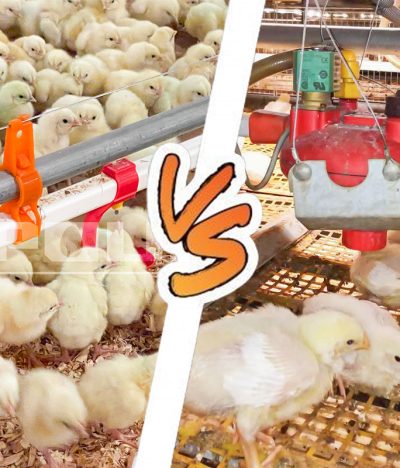
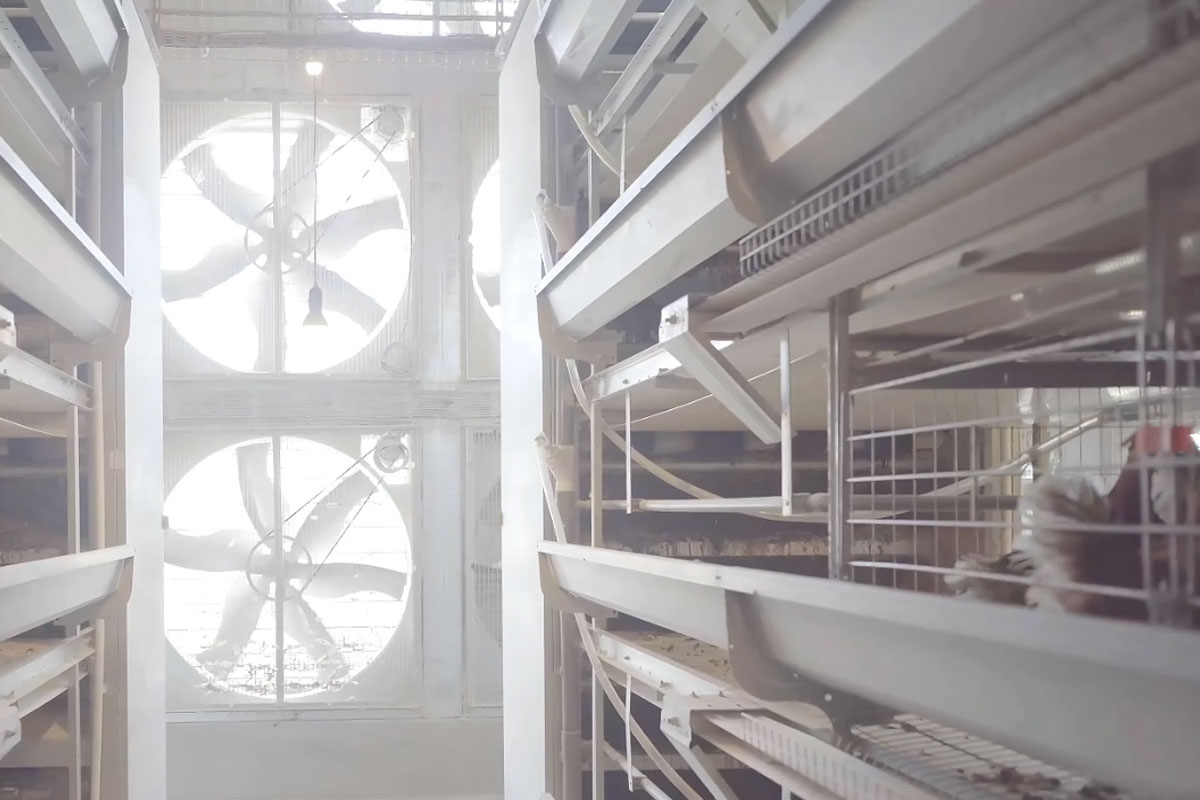
Cage-raising broiler chickens, particularly four-tier cages, is widely used due to its efficient stocking density. However, ventilation challenges caused by the stacked cage structure, particularly the stuffiness and lack of oxygen in the middle cages, have become a key factor hindering production performance. Precisely Solving Ventilation Problems: I. Core Ventilation Challenges in Cage-Raised Broiler Chickens
Middle cages are “stuffy and airless”:
Core of the Problem: In a four-tier cage system, the second and third cages are physically separated by the upper and lower cages.
Consequence: Air circulation is severely restricted, and the temperature, humidity, and concentrations of harmful gases (such as ammonia and carbon dioxide) within the cages are significantly higher than those in the aisles, creating “stuffy and oxygen-deficient zones” and increasing the risk of heat stress in the flock.
Severely Uneven Temperature and Humidity Within the House:
Symptoms: Due to the barriers between cage layers and ventilation efficiency, cage environments at different heights and locations vary significantly.
Hotspots: The second and third cages are prone to heat accumulation, becoming hot spots. Oxygen supply is also insufficient (hypoxia).
Cold Spot Risk: Improper ventilation management can lead to excessively low temperatures on the ground floor or in specific areas.
Seasonal Humidity Control Challenges:
Pain Points in Late Autumn/Spring: Strong winds and dry air (low humidity) make it extremely difficult to maintain humidity within the broiler house.
Chain Effect: Low humidity significantly reduces the perceived temperature of the flock, impacting their comfort and growth performance. This is key to improving broiler health and profitability.
2. Precise Solutions to Solve Ventilation Problems
Core Strategy: Strengthening Penetrating Ventilation + Refined Management
★ Ventilation System Optimization: “Short-Duration, Frequent-Stop” is Key
* Goal: Break airflow stagnation in the middle layer and quickly expel accumulated heat and exhaust gases within the cage.
* Measures:
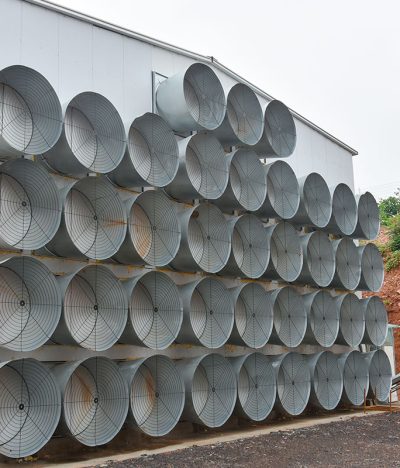
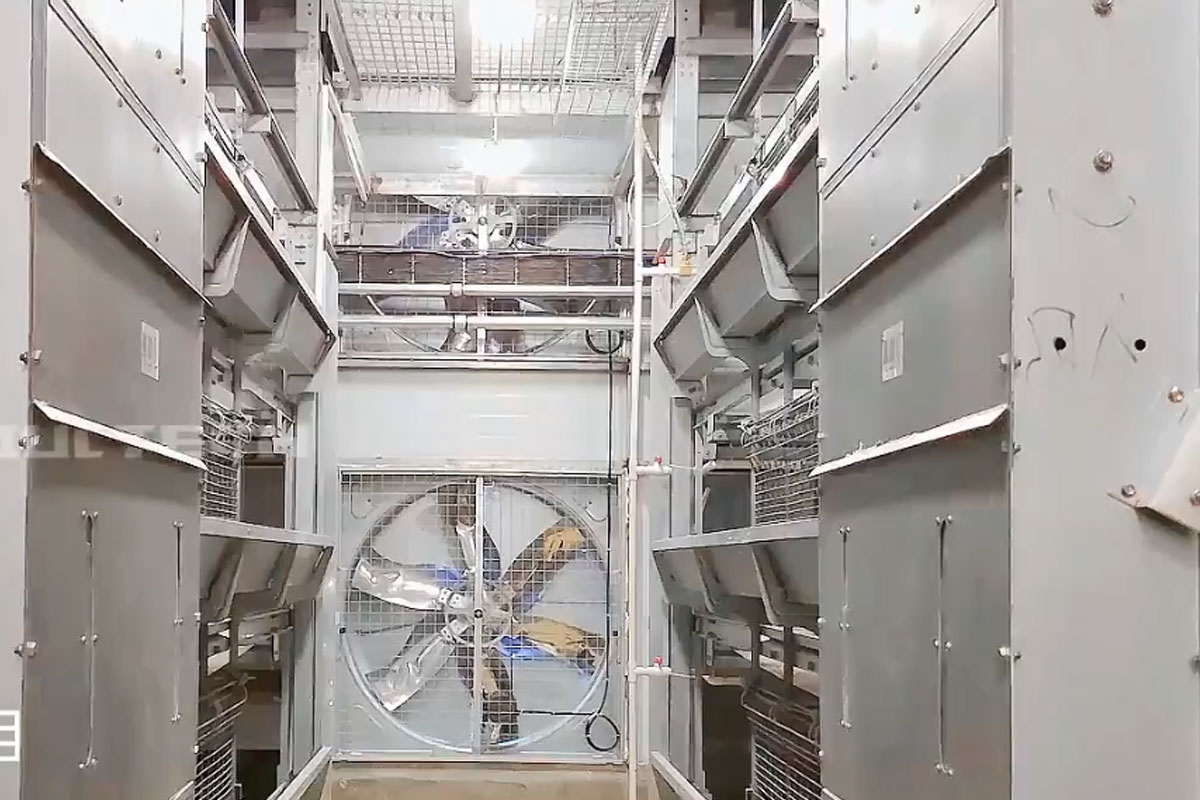
* Increasing the number of fans: Improving overall ventilation capacity.
* “Short-Duration, Frequent-Stop” Mode: Operate the fans at high power for short periods of time and at high frequency. Utilizing the strong negative pressure “pull” generated by the fans, this instantly draws out hot air and exhaust gases from deep within the cage, promoting air exchange between cage layers. This is the core technology for solving middle-layer ventilation problems.
* Age-Specific Optimization:
* 1-21 Days Old (Chickens):
* Characteristics: Cold and draft-sensitive, heat production less than heat dissipation.
* Ventilation Principles: Prioritize timed control (scheduled start and stop) to avoid prolonged fan operation for temperature control. Reasonably set the fan base size (minimum ventilation volume) to prevent cold stress. Prioritize air quality (ammonia and CO2 control). * After 28 days of age (adult chicks):
* Characteristics: Heat and stuffiness are common, heat production exceeds heat dissipation, and the density is high.
* Ventilation principles: First increase ventilation time, then gradually increase the fan level (basic fan size). A fan that is too small can cause stuffiness and oxygen deprivation, while a fan that is too large can easily cause cold stress or drafts. Pay close attention to perceived temperature.
★ Humidity Management: Stabilize perceived temperature
* Timely Humidification (Late Autumn/Spring):
* To combat dryness caused by strong winds, use a misting system (pay attention to water temperature and droplet size) or ground watering (not in the litter area) to actively increase humidity in the house.
* Core Purpose: Maintain an appropriate humidity level (reference target: 55%-65%) to prevent a sudden drop in perceived temperature due to low humidity.
* Principle of Perceived Temperature Compensation:
* Key Statistic: For every approximately 16.7% change in humidity, the perceived temperature changes by approximately 1°C, with a maximum compensation range of 2-3°C. * Application Example: For chicks aged 13-18 days, during periods of low humidity (such as dry and windy days), the midday target temperature setpoint can be appropriately increased (e.g., by 0.5-1.5°C) until approximately 10% of the birds exhibit slight mouth opening to dissipate heat (not panting). This can compensate for the drop in perceived temperature caused by low humidity.
★ Ventilation Timing and Fan Strategy: Dynamic Adjustment
* Afternoon/Evening Ventilation Adjustment:
* Symptom: After 4 p.m., both outside and indoor temperatures typically drop rapidly.
* Action: Based on the temperature drop trend, reduce ventilation frequency or lower fan levels as appropriate to avoid a sudden drop in house temperature (especially perceived temperature of the birds) that could lead to cold stress or respiratory issues.
* Real-Time Perceived Temperature Monitoring:
* Importance: The reading on the thermohygrometer in the house does not necessarily reflect the actual temperature (perceived temperature) felt by the birds.
* Method: Establish multiple monitoring points in different areas of the house (especially representative locations within each cage floor) and combine this with observations of flock behavior (distribution, respiratory status, and activity level) for comprehensive assessment.
* Application: Based on multi-point temperature data, a scientific ventilation plan is developed and implemented. The system precisely controls the number, level, and operating time of fans at different times and temperature ranges, ensuring a balanced and suitable environment on each cage floor.
3. Key Points for Success
“Short-duration ventilation and frequent stops” is the core strategy: For cage structures, the fan’s instantaneous, powerful, penetrating airflow must be utilized to combat stuffiness in the middle layer.
Refined Age Management: Young chicks prioritize insulation to prevent drafts, while older chicks prioritize heat dissipation to prevent stuffiness, resulting in distinct ventilation strategies.
Humidity is Temperature: A thorough understanding and application of the compensation principle that “a 16.7% change in humidity ≈ a 1°C change in perceived temperature” is crucial, especially during seasonal transitions.
Dynamic Adjustment is Key: Real-time adjustments to ventilation volume and timing are made based on diurnal temperature fluctuations, external weather, flock age, and behavior.
Perceived temperature is the gold standard: Instrument data combined with flock observations guide ventilation operations based on the birds’ actual perceptions.
Ventilation management for caged broilers is a meticulous, systematic process. By optimizing fan configuration and operating modes (especially “short-duration, frequent-stop”), precisely controlling humidity to stabilize perceived temperature, and dynamically adjusting ventilation strategies based on multi-point monitoring, we can effectively address uneven cage environments across cage layers, particularly addressing ventilation challenges in the middle layer. This creates a uniform, comfortable, and healthy growth environment for broilers, maximizing their production potential. Continuous observation of the flock’s condition is the ultimate basis for verifying ventilation effectiveness and adjusting strategies.