Disinfection and Cleaning Robot
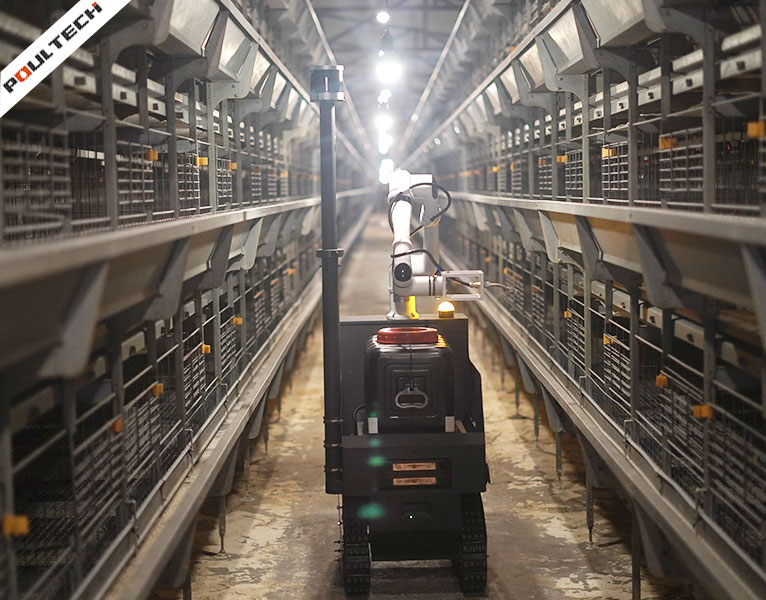
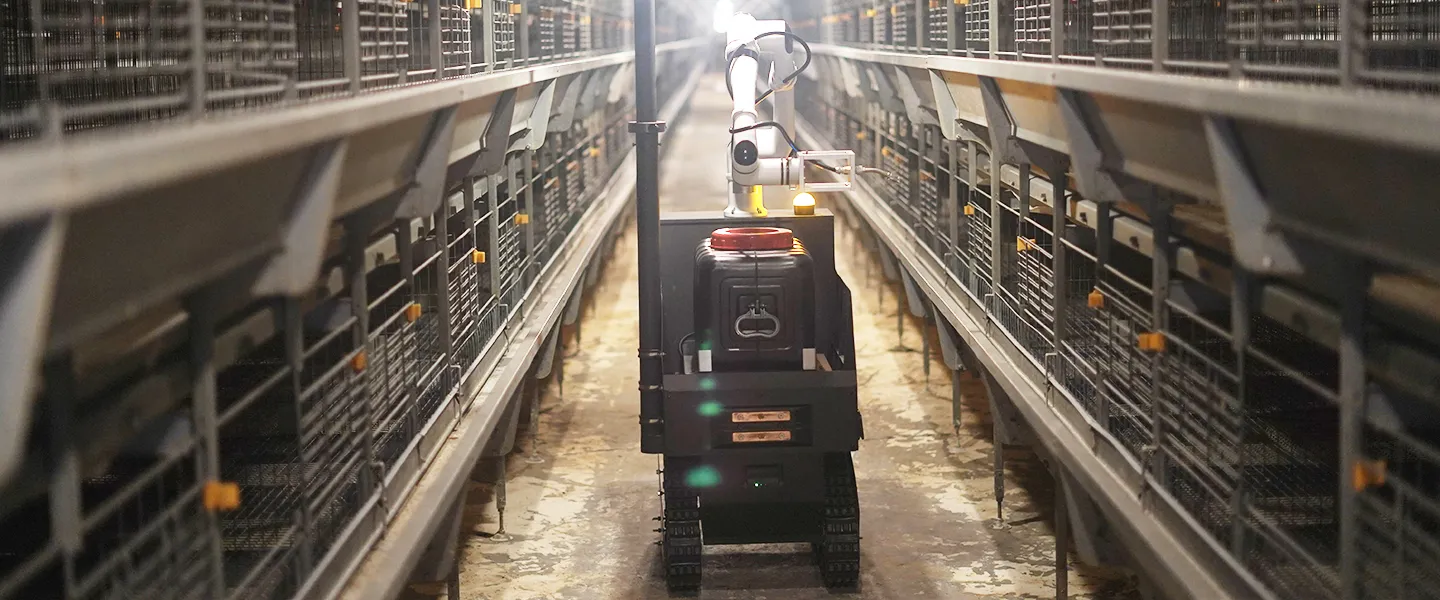
Сайт cleaning robot integrates multiple advanced technologies, becoming a key solution to traditional cleaning problems. It uses radar technology to set its operating route, precisely planning cleaning paths and avoiding aimless operation.
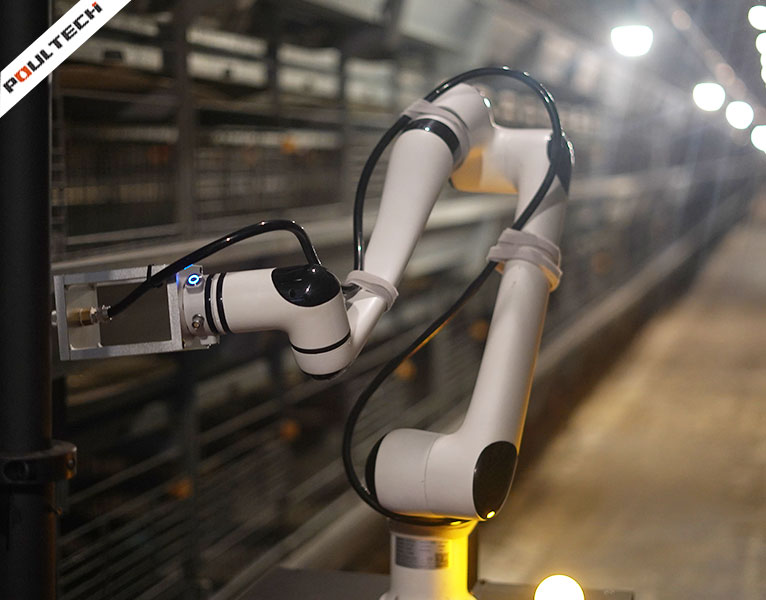
AI visual recognition technology gives the robot “eagle eyes,” enabling it to accurately identify the location of stains on equipment. Combined with disinfectant spray technology, the robot can achieve point-to-point cleaning, precisely disinfecting stained areas, avoiding ineffective rinsing, greatly improving cleaning efficiency, and realizing precise and unmanned cleaning operations in farms.
The Powerful Functions of the Cleaning Robot
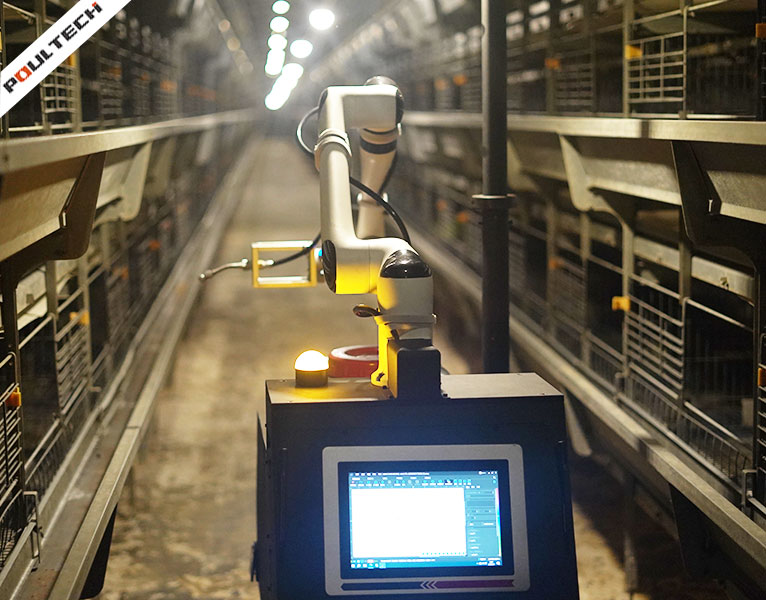
The cleaning robot employs an advanced 3D LiDAR + obstacle avoidance radar navigation system, enabling it to perceive its surroundings in real time and precisely plan its operating route. Simultaneously, a 3D camera can accurately locate areas of manure and sludge, precisely spraying disinfectant onto the stains through a point-to-point disinfection spray mode, avoiding ineffective work, improving cleaning efficiency, and conserving cleaning resources.
To ensure human and machine safety, the cleaning robot is equipped with physical buffer strips to effectively cushion impacts when encountering obstacles, reducing damage to the robot and surrounding equipment. Furthermore, the robot has an automatic emergency stop function; if abnormal operation or dangerous situations are detected, it will immediately stop operation to ensure the safety of personnel. In terms of battery life, the cleaning robot has a working time of 6-8 hours, and a single unit can cover 100,000 chicken houses, meeting the cleaning needs of large-scale farms.

Significant Technological Advantages of Cleaning Robots:
Intelligent Path Planning, Optimized Cleaning Routes
The cleaning robot possesses intelligent path planning capabilities, automatically planning the optimal cleaning route based on the layout of the farm and the distribution of equipment. Through continuous learning and algorithm optimization, the robot can avoid obstacles, reduce repetitive tasks, improve cleaning efficiency, and shorten cleaning time.
Multi-Scene Adaptability, Unrestricted by Farm Layers
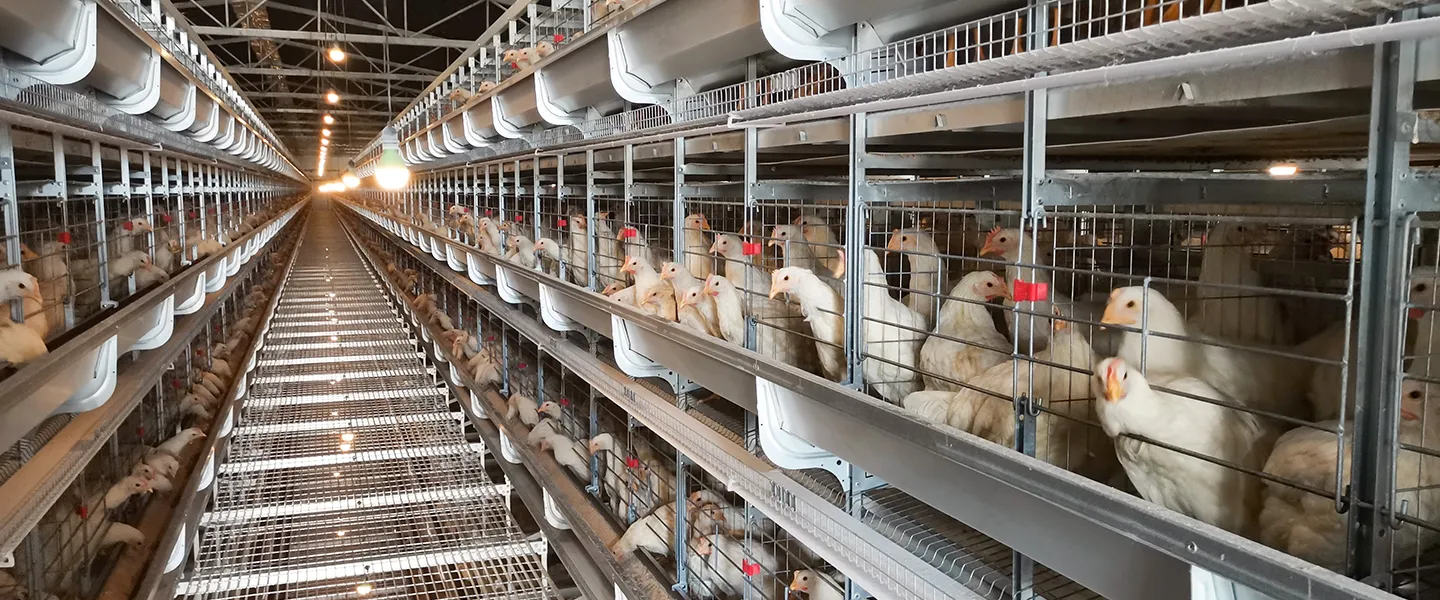
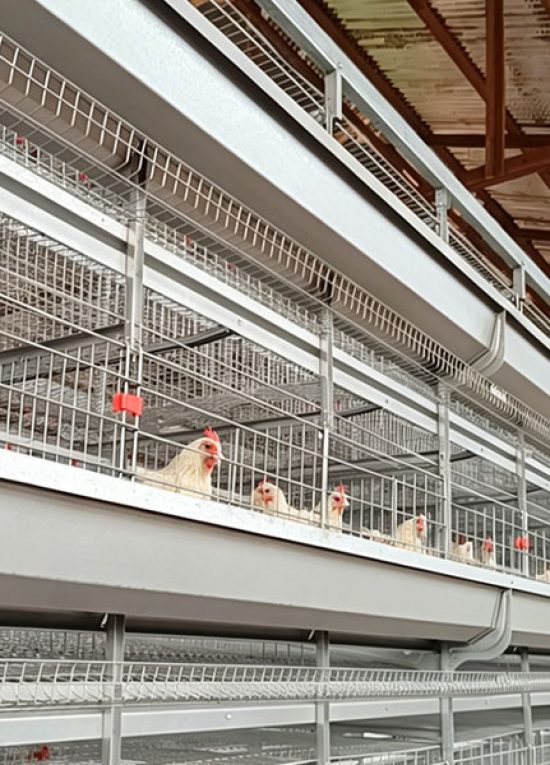
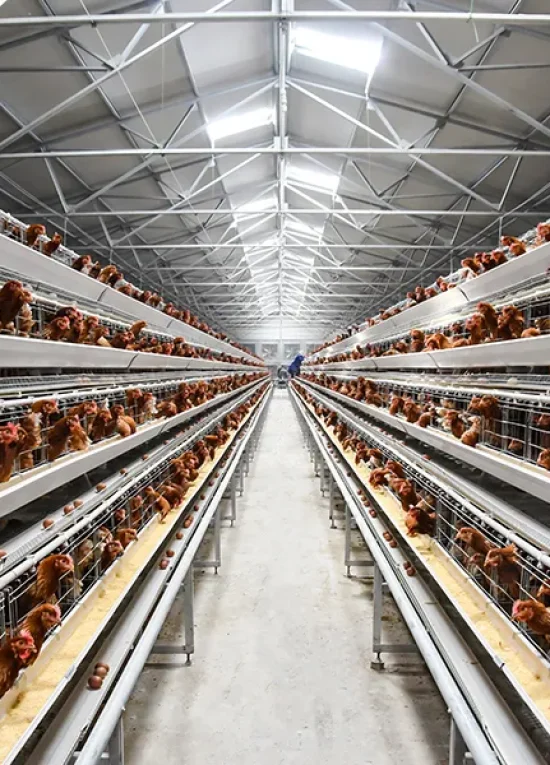
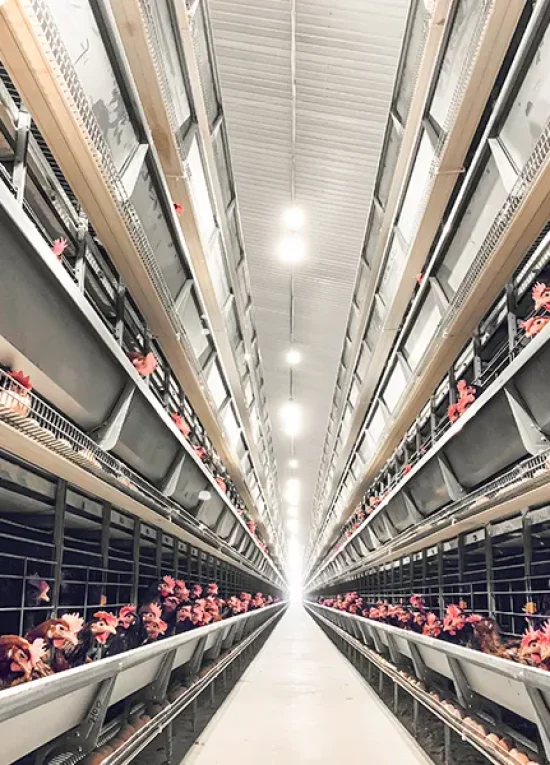
Whether the farm is single-layered or multi-layered, the cleaning robot can easily adapt. It can operate stably in different farming environments, without being limited by the number of farming layers, providing efficient cleaning services for farms of all sizes.
Cost Reduction and Efficiency Improvement, Minimizing Resource Waste
Compared to traditional manual rinsing, cleaning robots significantly reduce cleaning costs. Through precise cleaning operations, they reduce water and cleaning product consumption while improving cleaning efficiency and lowering labor costs. In the long run, using cleaning robots can save farms substantial operating costs.
Enhancing Biosecurity and Supporting Disease Prevention and Control
Cleaning robots are equipped with automatic disinfection data recording capabilities, recording disinfection time, area, and other information in real time. This data provides strong support for disease prevention and control management on farms, helping managers understand the cleaning and disinfection status in a timely manner, formulate scientific and reasonable disease prevention and control strategies, and effectively improve the farm’s biosecurity index.
Creating an Unmanned Farming Closed Loop, Reducing Operation and Maintenance Costs
Cleaning robots can also be linked with other intelligent devices such as inspection, chicken-catching, and sweeping robots to form a complete unmanned farming closed loop. Through collaborative operation between devices, automated management of the farm can be achieved, reducing manual intervention, further lowering operation and maintenance costs, and improving the overall operational efficiency of the farm.
Against the backdrop of smart agriculture, cleaning robots, with their precise and unmanned cleaning advantages, as well as powerful functions and significant technological advantages, have become a key tool for large-scale farms to reduce costs and increase efficiency. With continuous technological advancements and the expansion of application scenarios, cleaning robots are expected to play an even greater role in the livestock industry, driving its development towards intelligence and modernization.