Analysis of core equipment for automated egg-laying hen farming
I. Cage-raised layer hen system: the foundation of farming models
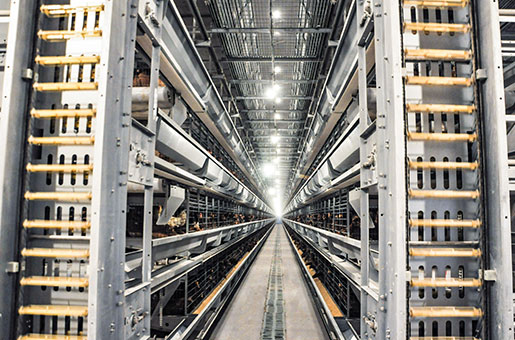
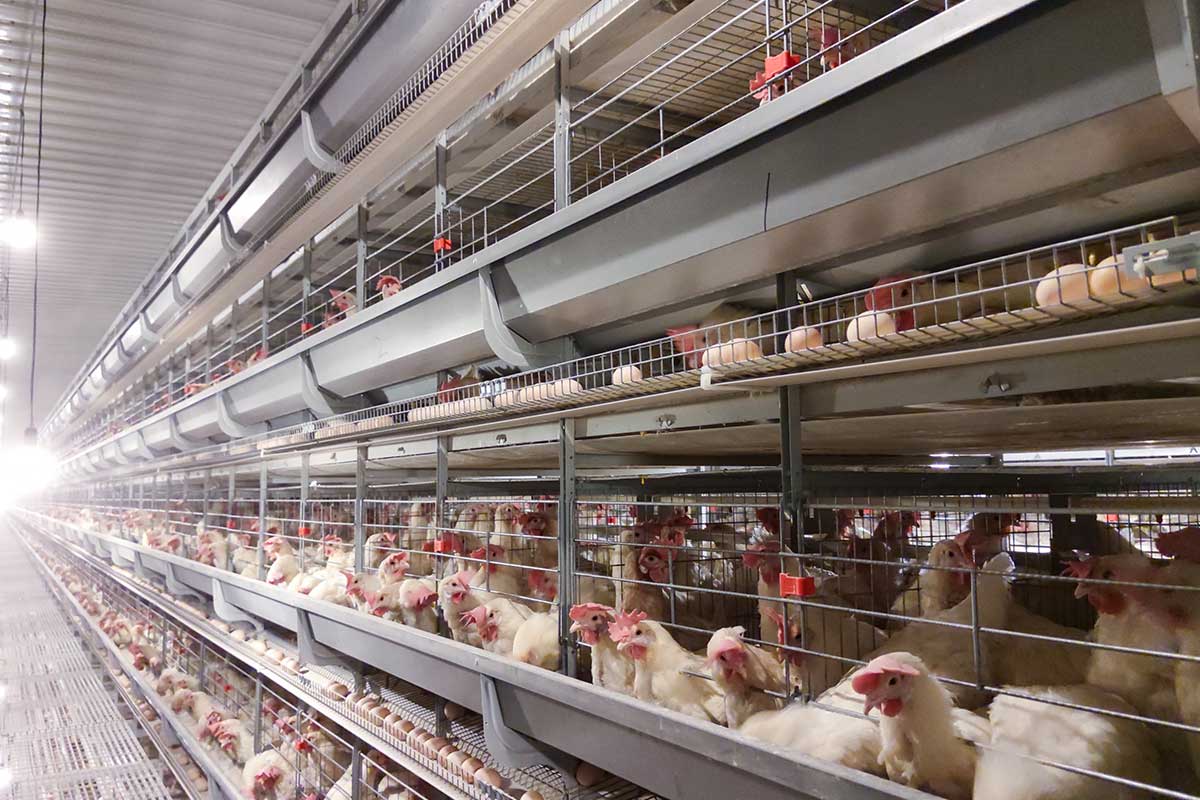
Cage rearing is currently the mainstream method for intensive layer hen farming, greatly improving the utilization rate of chicken house space. Automated layer hen cages are mainly divided into two types:
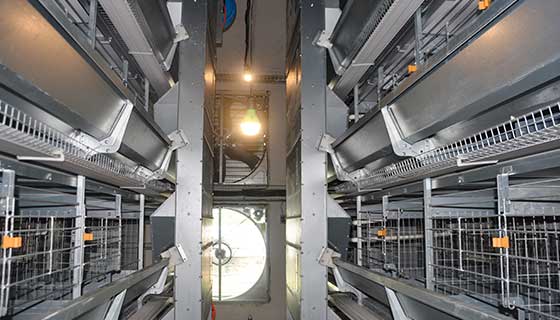
Stacked cages: Equipment is vertically stacked, maximizing space utilization. They are typically equipped with fully automatic feeding, manure removal, and egg collection systems, making them the preferred choice for modern large-scale farms.
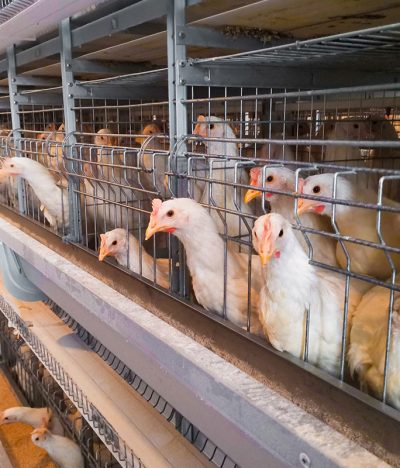
Ladder cages: Cages are arranged in an A-shape, providing better ventilation and lighting, and are relatively easy to maintain.
High-quality layer hen cages are made of high-strength materials (such as hot-dip galvanized steel wire), making them corrosion-resistant and durable. Humanized designs, such as sliding cage doors, facilitate the transfer and management of chickens, forming the cornerstone of building an automated production line.
II. Automatic Manure Removal System: Guardians of the Environment
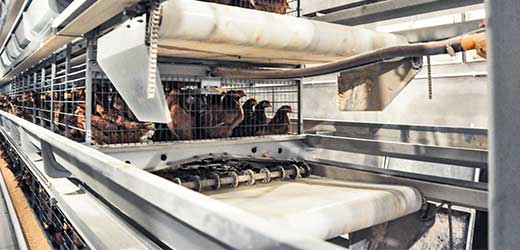
If chicken manure is not cleaned promptly, it will ferment and produce large amounts of harmful gases such as ammonia and hydrogen sulfide, seriously affecting the health of the flock and egg production. Automatic manure removal systems use conveyor belts or scraper mechanisms to automatically remove manure from under the cages at regular intervals and transport it outside the shed.
Core Value: Maintaining a consistently clean and dry environment inside the shed significantly improves air quality, reduces the risk of respiratory diseases at the source, and frees farmers from heavy and dirty labor.
III. Automatic Feeding System: The Steward of Precision Nutrition
For multi-level cage rearing, manual feeding is time-consuming, labor-intensive, and difficult to ensure even feeding. Automatic feeding systems, through feed lines, drive motors, and dispensing devices, can achieve:
Timed and quantitative feeding: Ensuring the flock receives a regular and balanced diet.
Uniform distribution: Ensuring even feed distribution in each feed trough of each level and cage, improving flock uniformity.
High efficiency and labor saving: One person can manage the feeding of the entire chicken house, greatly improving efficiency and reducing feed waste.
IV. Automatic Watering Systems: The Source of Healthy Growth
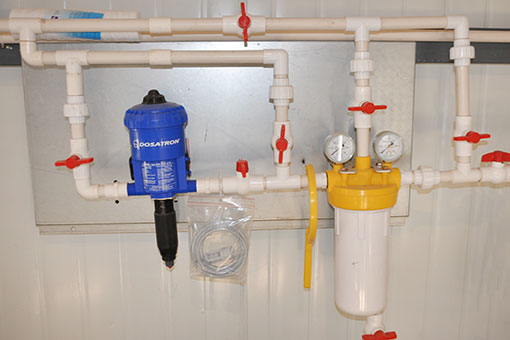
A stable supply of clean drinking water is fundamental to the health of laying hens. Automatic watering systems (such as nipple drinkers) can achieve the following:
Closed-loop water supply: Prevents water source exposure and contamination, effectively preventing the spread of disease.
On-demand watering: Chickens peck at the food and drink immediately, reducing water splashing and keeping litter or cages dry.
Continuous supply: The system automatically maintains water line pressure, ensuring uninterrupted drinking water.
V. Automated Egg Collection System: The Key to Improved Quality
Manual egg collection is inefficient, labor-intensive, and results in a high rate of egg breakage. Automated egg collection systems use conveyor belts to gently transport eggs from the chicken coops to a collection platform for centralized processing.
Core Advantages:
Significantly Increased Efficiency: Quickly completes egg collection for the entire chicken house.
Reduced Breakage Rate: The smooth transport process and cushioning design effectively reduce cracked and broken eggs.
Reduced Contamination: Minimizes human contact, improving egg hygiene and quality.
Achieving automation in layer hen farming is not simply a matter of adding up individual pieces of equipment, but rather an organic whole where five major systems—layer hen cages, automatic manure removal, automatic feeding, automatic watering, and automatic egg collection—operate in synergy. Investing in automation equipment is essentially investing in the future competitiveness of the farm—ultimately achieving the core goals of cost reduction and efficiency improvement, enhanced egg quality, and guaranteed biosecurity through a stable and controllable environment, precise resource delivery, and efficient production processes.
For farms planning new construction or upgrades, selecting a suitable automation equipment integration solution based on their scale and plans is a crucial step towards modern, scientific farming.