How to Manage Heat Stress in Broiler Chicken Farming
Heat stress is a common environmental stressor in broiler farming, posing a serious threat to chicken health, growth performance, and farming efficiency. With global warming and the development of intensive farming, heat stress management has become a core issue in modern broiler farming.
I. Harmful Effects of Heat Stress on Broilers
Physiological and Behavioral Abnormalities
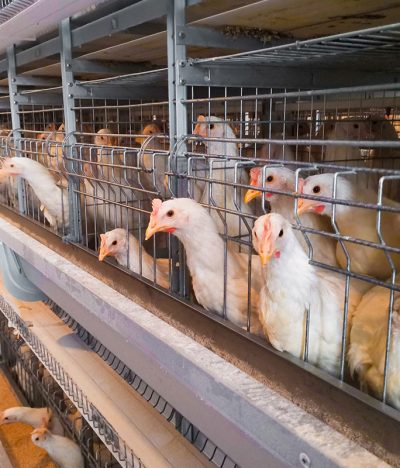
Increased Respiratory Rate: Open-mouth breathing, wings spread wide
Decreased Feed Intake: Reduced appetite at high temperatures, decreasing by 10%-30% daily
Changes in Drinking Behavior: Increased water intake by 2-3 times, resulting in loose feces
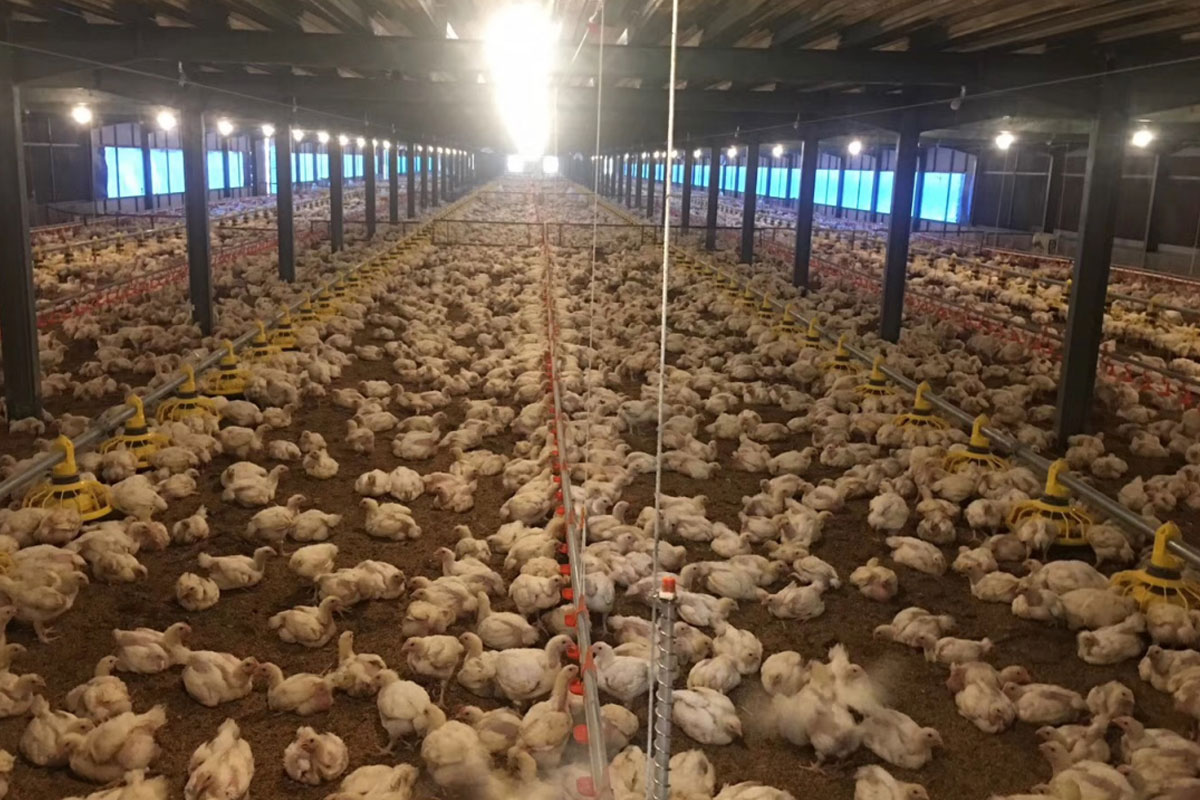
Decreased Activity: Seeking cooler areas, huddling together
Decreased Production Performance
Slower Growth Rate: Daily weight gain decreased by 15%-25%
Reduced Feed Conversion Rate: Efficiency decreased by 10%-20%
Deteriorated Carcass Quality: Poor meat quality, increased mortality
Immunosuppression: Reduced antibody production, increased susceptibility to disease
II. Environmental Control: Creating a Suitable Microclimate
Ventilation Management Optimization
Longitudinal Ventilation System: Ensure wind speed reaches 2-3 m/s to promote heat dissipation
Evaporative Cooling System: Set appropriate operating temperature (usually above 28℃) and maintain relative humidity at 60%-70%
Nighttime Ventilation Strategy: Fully utilize the low-temperature period at night for forced ventilation to reduce heat accumulation
Pole Structure Modification
Insulation Material Application: Use reflective materials or add insulation layers to the roof
Shading Installation: Plant trees or install shade nets around the poultry house
Mist Cooling System: In low humidity areas (<50%), intermittent misting can be used to avoid high temperature and high humidity
III. Nutrition and Water Management Strategies
Feed Adjustment Plan
Increase Nutrient Concentration: Increase energy and protein content to compensate for decreased feed intake.
Adjust Feeding Time: Avoid high-temperature periods and increase feeding during cooler morning and evening hours.
Add Anti-Stress Substances:
Electrolytes: Supplement sodium, potassium, and bicarbonate.
Vitamin C: Add 100-200 grams per ton of feed.
Vitamin E: Add 50-100 IU per ton of feed.
Water System Management
Ensure Sufficient Water Supply: Ensure each chicken has ample drinking space and the water temperature is kept cool (<25℃).
Add Cooling Substances: Add 0.2%-0.3% salt or electrolytes to the drinking water.
Regular Cleaning and Disinfection: Prevent bacterial growth and ensure clean water quality.
IV. Innovative Feeding and Management Measures
Density Adjustment Measures
Reducing Stocking Density: Reduce stocking density by 10%-15% during high-temperature seasons.
Group Management: Group chickens by size and strength to reduce competition stress.
Optimizing Daily Operations
Reduce Human Interference: Avoid handling chickens and administering vaccinations during high-temperature periods.
Bedding Management: Keep bedding dry and loose, and turn it over regularly.
Lighting Program Adjustment: Use intermittent lighting to reduce heat generation.
V. Application and Monitoring of Heat Stress Index
Heat Stress Assessment Tools
Temperature and Humidity Index (THI) Calculation: THI = 0.8 × Dry Bulb Temperature (°C) + (Relative Humidity % × 0.01) × (Dry Bulb Temperature – 14.4)
Risk Classification:
Safe: THI < 27
Warning: THI 27-30
Hazard: THI > 30
Monitoring and Early Warning System
Multi-point Monitoring: Install temperature and humidity sensors at different locations in the poultry house.
Real-time Early Warning: Set up an automatic alarm system and promptly activate cooling measures.
VI. Key Considerations for Different Farming Models
Intensive Closed-Loop Farming
* Optimize the automated environmental control system.
* Develop contingency plans, including backup power.
Semi-Open or Free-Range Farming
* Provide ample shaded areas.
* Set up multiple drinking points and add electrolytes.
* Adjust release times to avoid midday high temperatures.
VII. Management During the Recovery Period from Heat Stress
Treatment after Acute Heat Stress
Gradually restore feed supply, avoiding overfeeding.
Continue to supplement electrolytes for 3-5 days.
Monitor the health status of the flock and prevent secondary infections.
Long-term Adaptation Strategies
Select and breed heat-resistant varieties.
Improve the overall environment of the farm and increase greenery.
Establish a comprehensive heat stress response plan.
Heat stress management is a systematic project in broiler farming that requires continuous attention and scientific response. By comprehensively utilizing environmental control, nutritional optimization, and meticulous management, farmers can minimize the impact of heat stress. The key lies in early prevention, real-time monitoring, and rapid response, establishing a comprehensive, multi-layered protection system. With technological innovation and updated management concepts, we have the ability to maintain healthy, efficient, and sustainable broiler farming even under changing climatic conditions.