A Guide to Caged Layer Hen Systems
Laying Hen Cage Equipment
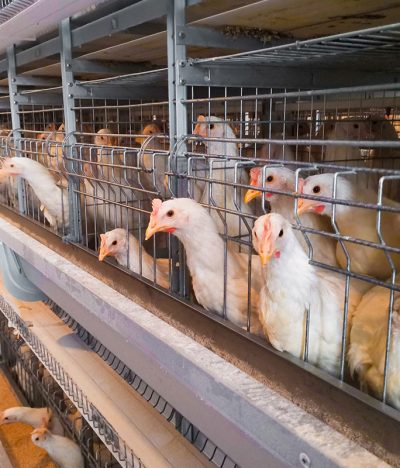
Laying hen cages, especially those specifically designed for raising laying hens, create a controlled environment for the chickens. This environment not only effectively increases egg production but also ensures the health of the chickens. In the poultry industry, commonly used laying hen cages are mainly divided into two categories: H-type laying hen cages and A-type laying hen cages. These two types of cages each have unique characteristics and advantages, fully meeting the different needs of poultry farming.
Significant Advantages of Cage-Raising Layer Hens
Significantly Increased Egg Production
The core design goal of a cage-raising system for layer hens is to maximize egg production. Its unique structure facilitates egg collection, significantly reducing the chance of egg breakage, thus ensuring higher egg production and bringing greater profits to farmers.
Worry-Free Health Management
Cage-raising provides chickens with a relatively controlled environment, greatly reducing their contact with external pathogens. This environment effectively reduces disease incidence, keeping the flock healthy and improving overall production performance.
Highly Efficient Space Utilization
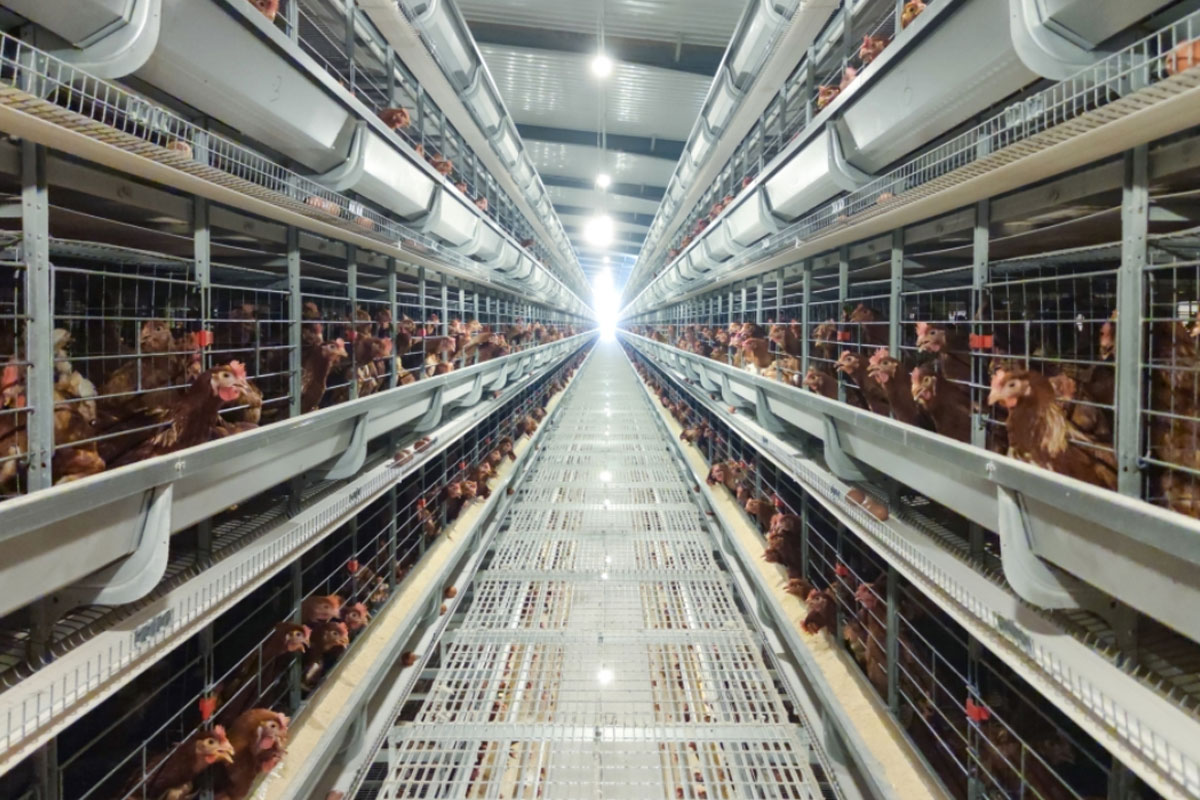
The design of the cages cleverly optimizes space utilization. Whether it’s an H-type or A-type cage system, it can accommodate a large number of chickens in a limited space, making it ideal for large-scale poultry farming and effectively solving the problem of limited land resources.
Easy and Convenient Management
Compared to other farming methods, cage-raising of layer hens is much simpler to manage. Its well-organized structure makes feeding, watering, and cleaning easy, saving chicken farmers significant time and energy, allowing them to focus more on flock health management and production optimization.
Cost-Effectiveness
Although the initial investment in cage-rearing of laying hens is relatively high, in the long run, the benefits far outweigh the costs. Increased egg production, reduced disease prevention costs, and improved space utilization all make cage-rearing of laying hens an ideal, cost-effective solution for poultry farmers.
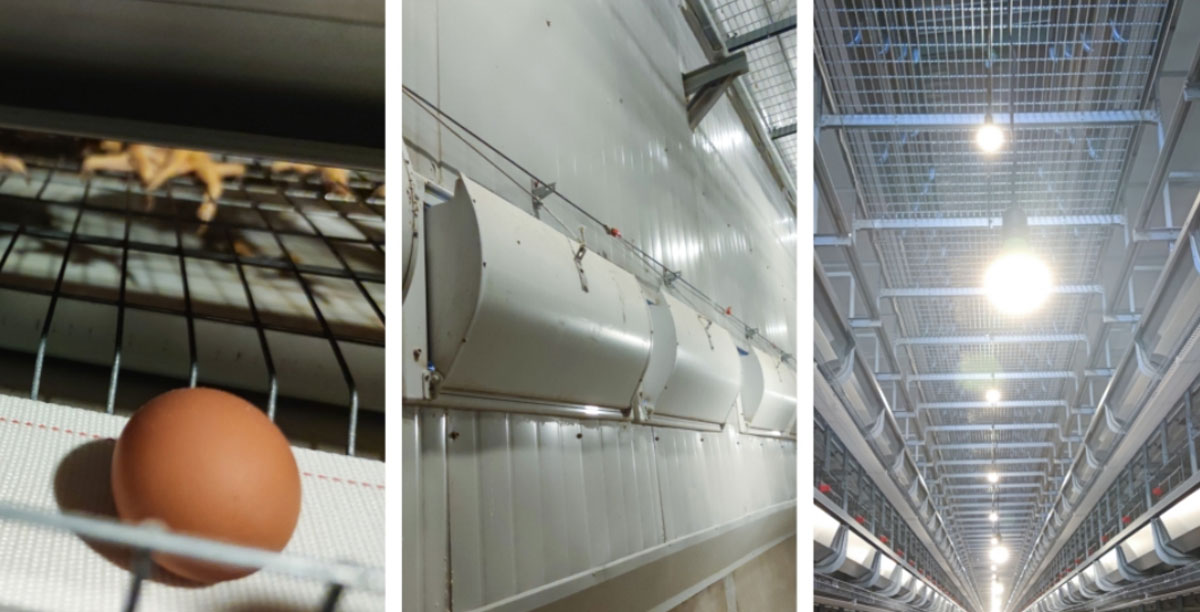
Best Practices for Layer Hen Cage Management
Routine Cleaning and Maintenance
Maintaining cleanliness and hygiene in the layer hen cages is fundamental to the health of the flock. Regularly cleaning the cages, feeding systems, and manure disposal devices effectively prevents the occurrence and spread of diseases, creating a comfortable living environment for the flock.
Precise Water and Feeding
Ensuring that the flock has access to clean water and balanced feed at all times is key to maximizing egg production. Automated systems in H-type layer hen cages precisely maintain regular feeding times, providing a stable supply of nutrients to the flock.
Routine Health Monitoring
Regularly monitoring the flock’s health status and behavioral changes allows for early detection of disease signs. Simultaneously, implementing strict biosecurity measures, such as regular disinfection and personnel access control, effectively prevents the spread of diseases within the flock.
Refined Environmental Control
Maintaining an optimal environment within the layer hen cages is crucial for the chickens’ health. This includes proper ventilation, temperature control, and lighting regulation. Good ventilation keeps the air fresh, while suitable temperature and light promote growth, development, and egg production performance.
Detailed record keeping
Detailed records of data such as egg production, feed consumption, and health status help poultry farmers manage their farms efficiently. This data serves as a crucial basis for decision-making, helping farmers adjust their farming strategies in a timely manner and improve overall productivity.
Choosing the Right Cage System: A Key to Successful Poultry Farming
Selecting the right layer hen cage system is crucial for the success of a poultry farm. Type A and Type H layer hen cages each have their advantages and disadvantages, catering to different farming needs. Poultry farmers need to thoroughly understand the benefits and best practices of layer hen cage systems and, based on their own specific circumstances, create a healthy and productive growing environment for their hens.
Investing in the right cage system and adhering to high standards of feeding and management are key to ensuring sustainable and profitable egg production for years to come. Whether you ultimately choose Type A or Type H layer hen cages, the secret to success lies in thoroughly understanding your specific needs and strictly implementing the best practices outlined in this guide. Let’s work together to open a new chapter in poultry farming!