Automated poultry farming equipment: Unlocking a new model of high efficiency and profitability
I. Comprehensive Improvement in Farming Efficiency and Scale
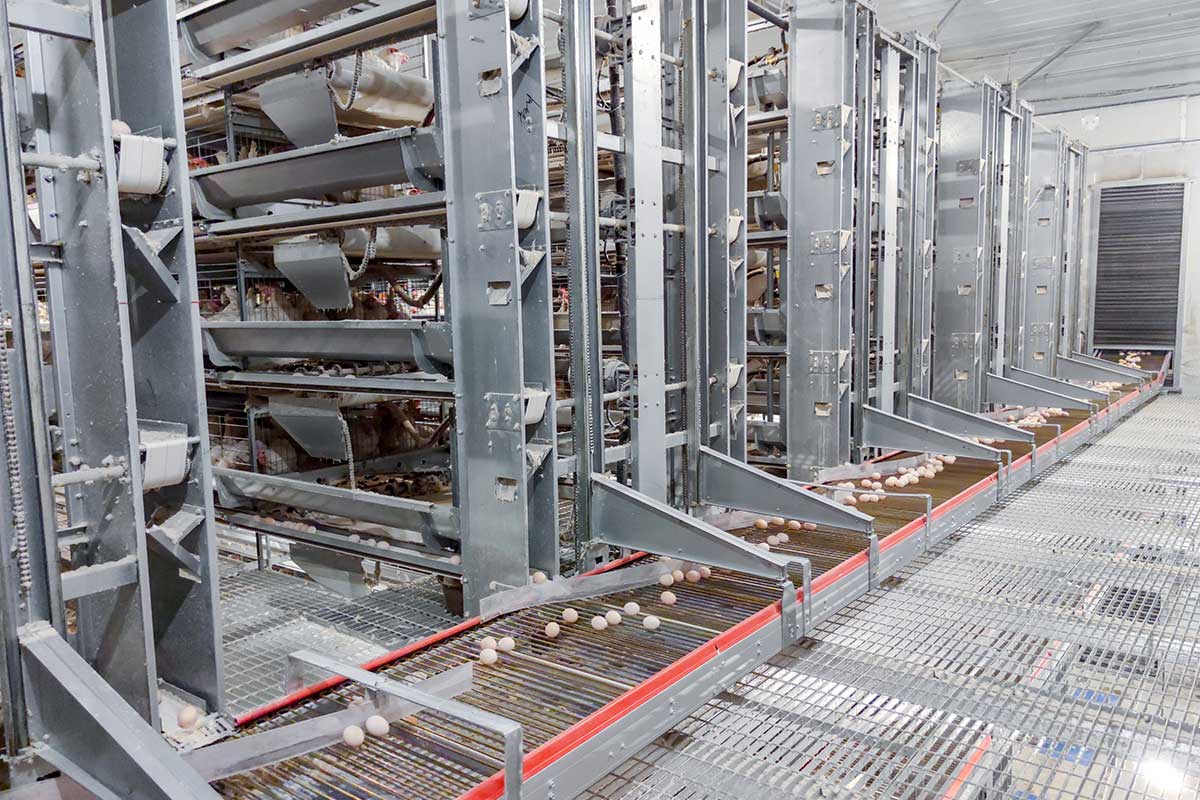
Traditional poultry farming relies heavily on manual labor for daily operations, but the introduction of automated equipment has completely transformed this model. Automatic feeding systems, egg collection equipment, and water lines can precisely and timely complete feeding and management tasks, greatly reducing the burden on manual labor.
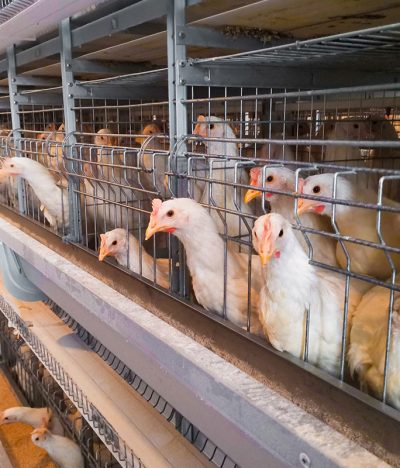
Especially when combined with high-density laminated cage rearing technology, farmers can achieve large-scale management of tens of thousands of chickens. This intensive farming model not only significantly saves land resources but also significantly improves feed conversion rates and labor productivity, resulting in lower unit farming costs and significantly improved economic benefits.
II. Significantly Improved Farming Environment and Animal Welfare
The quality of the farming environment directly affects the health and production performance of poultry. Automated manure removal equipment can clean the chicken coop regularly, promptly sort chicken manure, effectively reduce ammonia and bacterial growth, and maintain fresh air inside the coop.
Modern cage rearing systems are designed with ventilation and environmental control in mind, featuring large vertical ventilation volumes, stable temperature and humidity, allowing chicken manure to dry naturally and creating a loose and breathable environment. This not only reduces the incidence of respiratory diseases but also promotes the healthy growth of poultry, thereby reducing mortality and improving overall production efficiency.
III. Significantly Reduced Labor and Operating Costs
In non-automated farms, processes such as manure removal, feeding, and egg collection require continuous manual labor, which constitutes a considerable expense in the long run. The application of automated equipment directly reduces reliance on manual labor in these areas, allowing farmers to allocate their limited human resources to more important management decisions and market operations.
Although automated equipment requires some initial investment, in the medium to long term, the comprehensive benefits it brings—increasing efficiency, reducing waste, and saving labor—often allow for a quick return on investment and the continued generation of higher profits.

IV. Promoting Data-Driven and Refined Management
Modern automated poultry farming systems are often equipped with data acquisition and monitoring functions, allowing farmers to monitor key data such as feed intake, water consumption, egg production rate, and indoor environmental parameters in real time. Based on this information, managers can make more scientific adjustments, achieving precise feeding, environmental optimization, and health early warning, thereby further improving farming efficiency.
V. Industry Development Trends and Future Prospects
Automated farming has become the mainstream direction in the poultry industry. With the further integration of technologies such as the Internet of Things and artificial intelligence, future poultry farming will develop towards a more intelligent, automated, and greener direction. The iteration of farming equipment not only improves production efficiency but also responds to social demands for food safety, environmental protection, and animal welfare.
For farmers, timely introduction of suitable automated equipment is not only a means to improve quality and efficiency but also an inevitable choice to adapt to industry competition and achieve long-term development.
Automation of poultry farming equipment is driving industry upgrading with unprecedented force. It liberates manpower, increases scale, improves the environment, reduces costs, and ushers in a new era of data-driven farming. For poultry farmers looking to enhance their competitiveness and achieve sustainable profitability, investing in automation equipment is no longer an option, but an essential step towards modern poultry farming.
As more farmers experience the tangible benefits of automation, this technology will undoubtedly penetrate deeper and wider into every aspect of poultry farming, continuously leading the industry towards a more efficient and intelligent future.