Ten essential pieces of equipment for successful chicken farming
In intensive, large-scale modern poultry farming, the scientific allocation of suitable chicken farming equipment is crucial for ensuring production efficiency, improving management efficiency, and protecting flock health. Whether you are a novice or an experienced farmer, choosing efficient farming equipment can inject new vitality into your chicken farm and significantly improve yield and quality. Below are ten essential pieces of chicken farming equipment to help you build a high-yield, low-risk modern chicken farm.
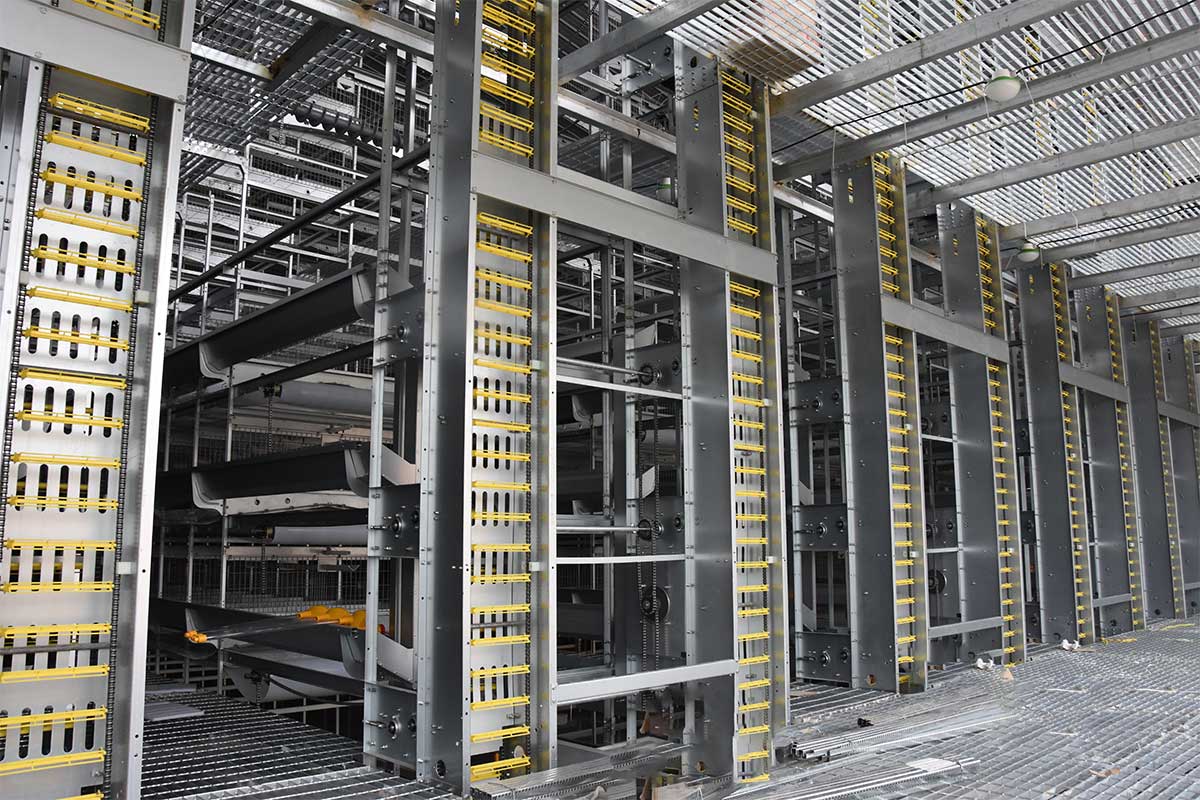
Cage-raised systems are particularly suitable for large-scale, intensive poultry farming, accommodating more chickens within a limited space. They are typically made of corrosion-resistant materials such as galvanized steel wire or aluminum alloy, resulting in a robust structure and long service life. Multi-layer designs significantly save land and construction costs, making them fundamental equipment for increasing stocking density and economic efficiency.
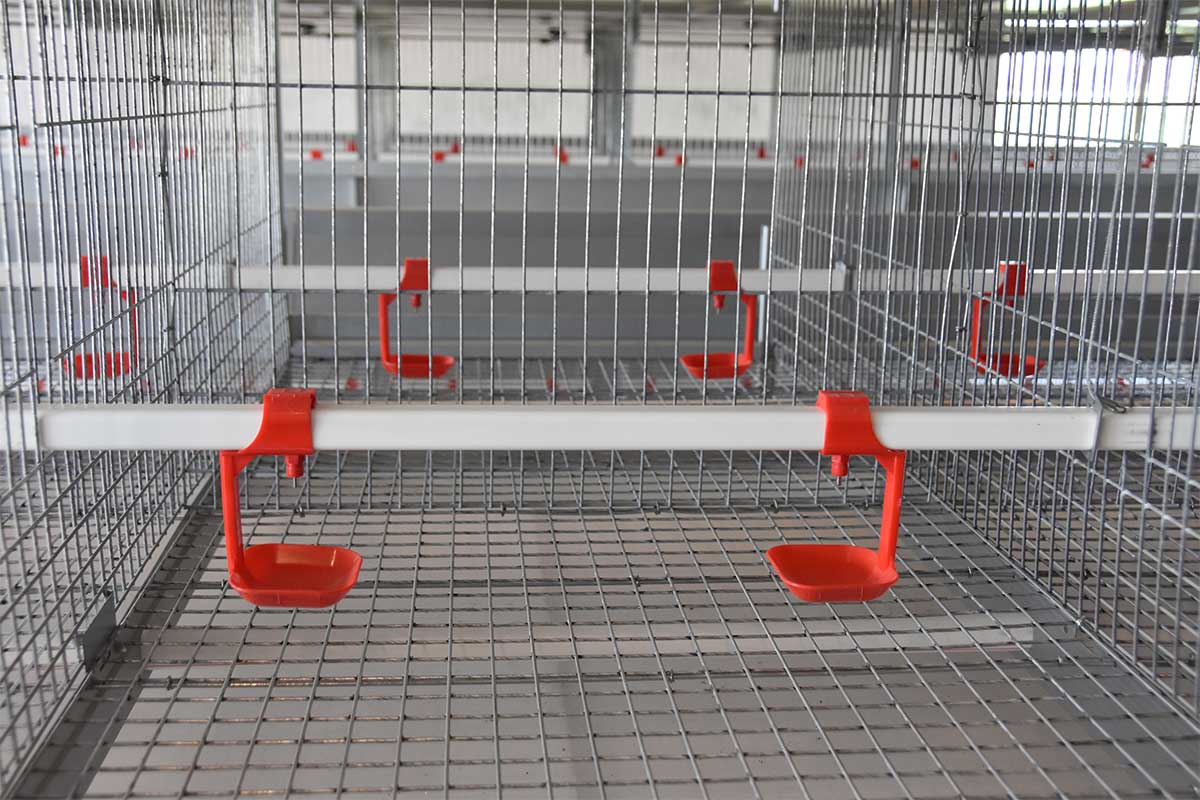
2. Automatic Poultry Watering Systems
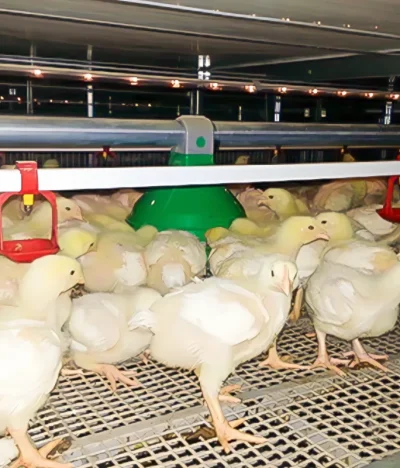
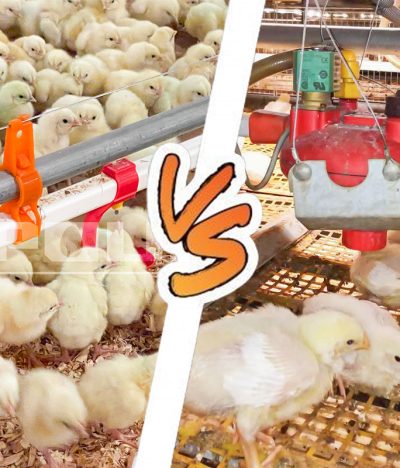
Automatic drinkers continuously provide clean drinking water to the flock. Common types include trough-type, pneumatic, and automatic trigger-type. The system automatically replenishes water through water level control, ensuring hygienic drinking water and preventing waste. This not only helps maintain flock health and stable egg production but also significantly reduces manual labor intensity.
3. Automatic Poultry Feeding Systems
Automatic feeding equipment enables timed and quantitative feed delivery, ensuring chickens receive balanced nutrition. This system reduces the frequency of manual feeding, saves manpower, effectively controls feed waste, improves feed utilization efficiency, and provides stable support for flock growth and production performance.
4. Automatic Manure Removal Equipment
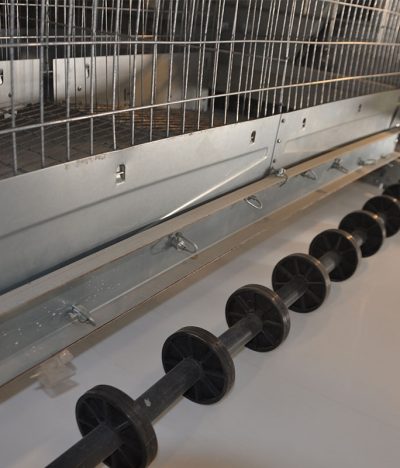
Automatic manure removal systems use conveyor belts, scrapers, and other devices to regularly remove manure from the chicken coop and transport it to designated collection points. This equipment significantly improves the hygiene of the chicken coop, inhibits the spread of pathogens, reduces the burden of manual manure removal, and creates a clean and healthy living environment for the chickens.
5. Automatic Egg Collection Equipment
Automatic egg collection devices use conveyor belts or rollers to gently collect eggs to designated areas, avoiding breakage and contamination. This system not only improves egg collection efficiency and reduces labor costs but also helps maintain the freshness and integrity of eggs, improving the overall quality and market competitiveness of commercial eggs.
6. Incubators
Incubators provide a stable temperature and humidity environment for eggs, enabling an efficient and controllable incubation process. Using incubation equipment can significantly improve hatching rates and chick health, helping farms achieve independent upgrading and promoting the establishment of large-scale breeding systems.
7. Poultry Environmental Control Equipment
Including ventilation systems and air purification devices, this equipment can automatically regulate the temperature and humidity inside the chicken coop and reduce ammonia and dust concentrations. Good air quality can effectively prevent respiratory diseases, improve the comfort of chickens, and create favorable conditions for their healthy growth and high and stable production.
8. Poultry Lighting System
Light is a crucial factor in regulating the egg-laying cycle and promoting growth in poultry. Automatic lighting equipment can adjust the duration and intensity of light according to a set program, simulating the natural photoperiod, thereby stabilizing the physiological rhythms of the flock and improving egg production rate and overall farming efficiency.
9. Temperature Control Equipment
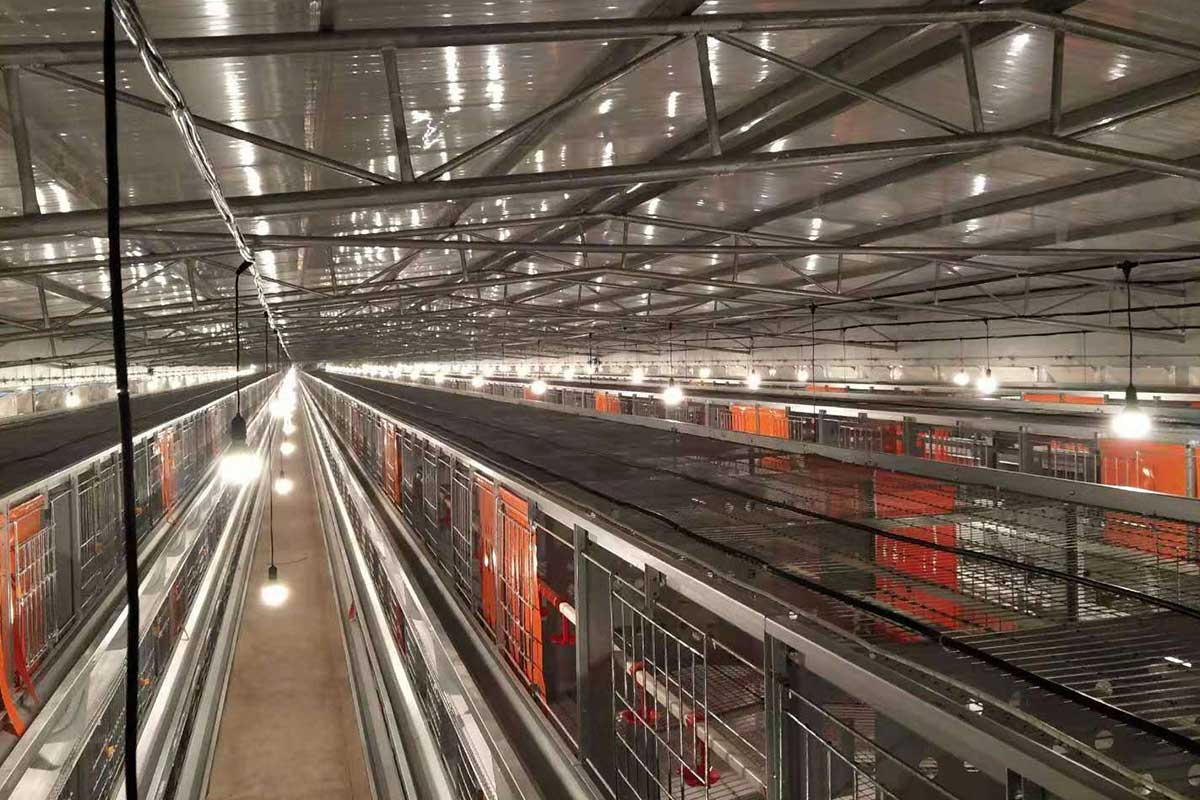
Temperature control equipment can automatically adjust heating or ventilation according to the season and indoor-outdoor temperature differences, maintaining a suitable and stable temperature inside the chicken house. This avoids stress caused by overheating or overcooling, helping to ensure normal metabolism, growth performance, and production results.
10. Rodent and Pest Control Equipment
Through physical barriers and electronic deterrents, rodents and pests are prevented from entering the chicken house, reducing disease transmission and feed contamination. This type of equipment is an indispensable part of maintaining biosecurity and ensuring the health of the flock.
Scientifically selecting and configuring poultry farming equipment is a key step in achieving modern farming and reducing costs while increasing efficiency. Farmers can choose the above equipment reasonably according to their own breeding scale, chicken house design and budget, and gradually promote the upgrading of chicken farms towards automation and precision, ultimately achieving a dual improvement in production efficiency and poultry welfare.