Broiler Farming – Floor System
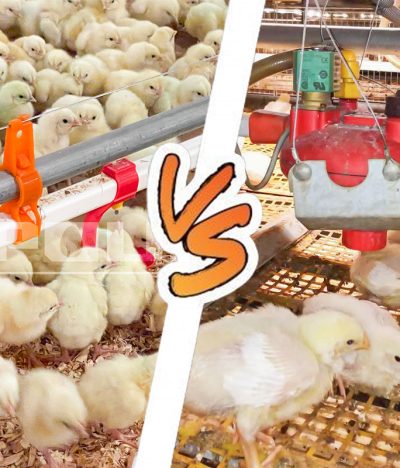
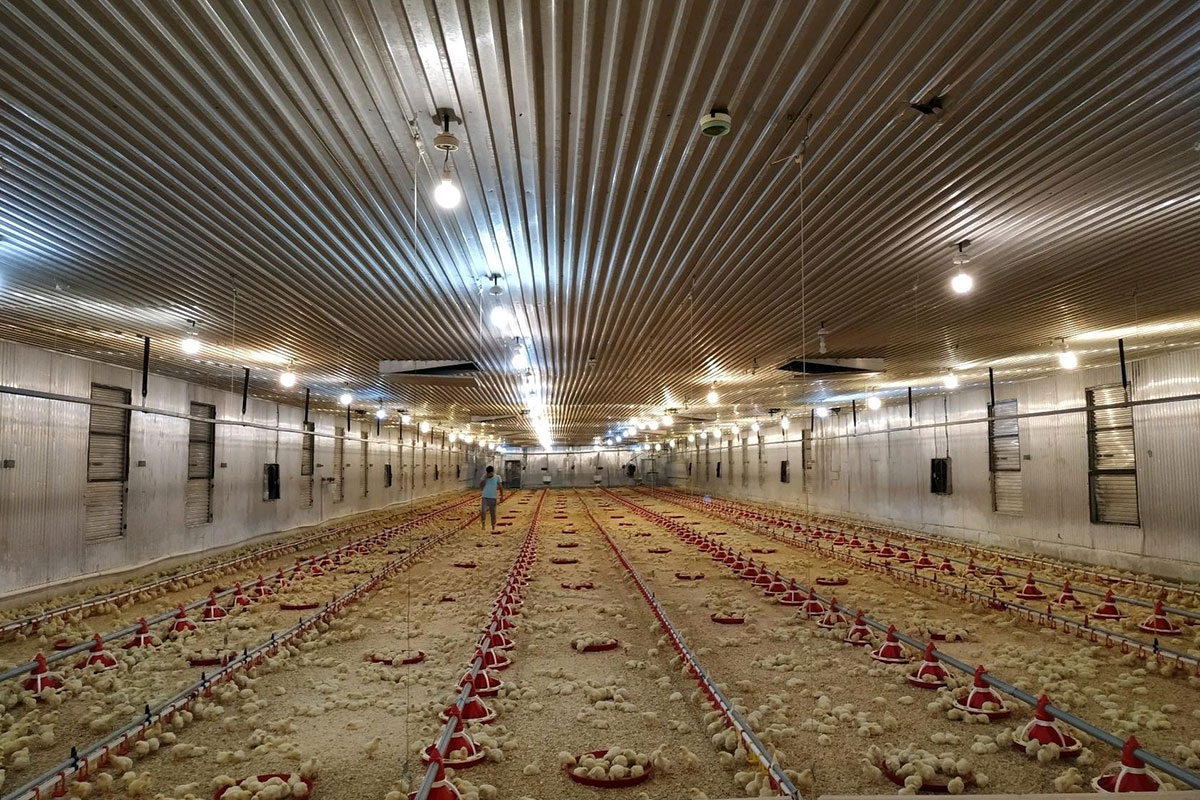
Floor-raising broilers is a farming method that allows chickens to move freely and forage on the ground. Compared with traditional cage farming, floor-raising broilers can better meet the natural behavioral needs of chickens. This farming method helps to improve the quality and taste of chicken while reducing dependence on antibiotics and reducing the risk of disease.
Advantages of using the floor system
The main reasons for the floor-raising broiler model include improving chicken health, improving meat quality, enhancing environmental adaptability, improving farming efficiency, and promoting sustainable development.
1. The floor-raising broiler model helps to improve the health of chickens. Chickens move freely in the natural environment and can exercise more, thereby strengthening their physical fitness and reducing the occurrence of diseases. In addition, free-moving chickens have less psychological pressure, which is conducive to their growth and development.
2. The floor-raising broiler model can improve the quality of meat. Free-moving chickens have better-exercised muscles, firmer meat, and better taste.
3. Flat-raised chickens can take in more diverse food, making their meat richer in nutrients.
4. The flat-raised broiler model is in line with the concept of sustainable development. It reduces the use of cage equipment, reduces resource consumption and environmental pollution, and more effectively utilizes natural resources such as sunlight, air, and grass.
Flat-raised broiler breeding density requirements
The density of 1-day-old to 3 weeks old is 20-35 per square meter, and the density of 4 weeks to 6 weeks old is 10-20 per square meter. Broiler breeding density recommendations: 6-7 per square meter for white-feathered broilers (large broilers), 12-14 per square meter for hybrid chickens (small broilers), and up to 16 per square meter.
Common methods for judging broiler breeding density:
1. How many chickens are raised per square meter: 30 per square meter when chicks are born, and then gradually evacuated and adjusted.
Recommendations: 1) 10.8 per square meter for non-enclosed chicken houses; 2) 12 per square meter for enclosed chicken houses; 3) 13.5 per square meter for environmentally controlled chicken houses.
2. The feeding trough position occupied by each chicken: Generally, 100 chickens are equipped with 1-2 flat-bottomed feed trays (1 large tray and 2 small trays) in the first week. After using the feed trough, each chicken has 5cm of space. If a feed bucket is used, there is 1 feed bucket for every 50 chickens.
3. The drinking water position occupied by each chicken: Under the condition of continuous water supply, there is 1 waterer (capacity 4L) for every 70 chicks in the first two weeks. When using the water trough, each chicken should occupy 2cm of the drinking water position. If a hanging tower automatic waterer is used, each waterer can be used by 100 chickens.