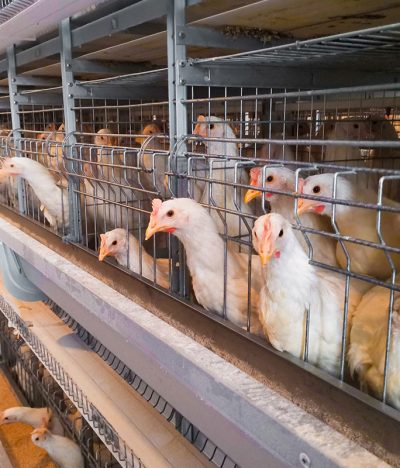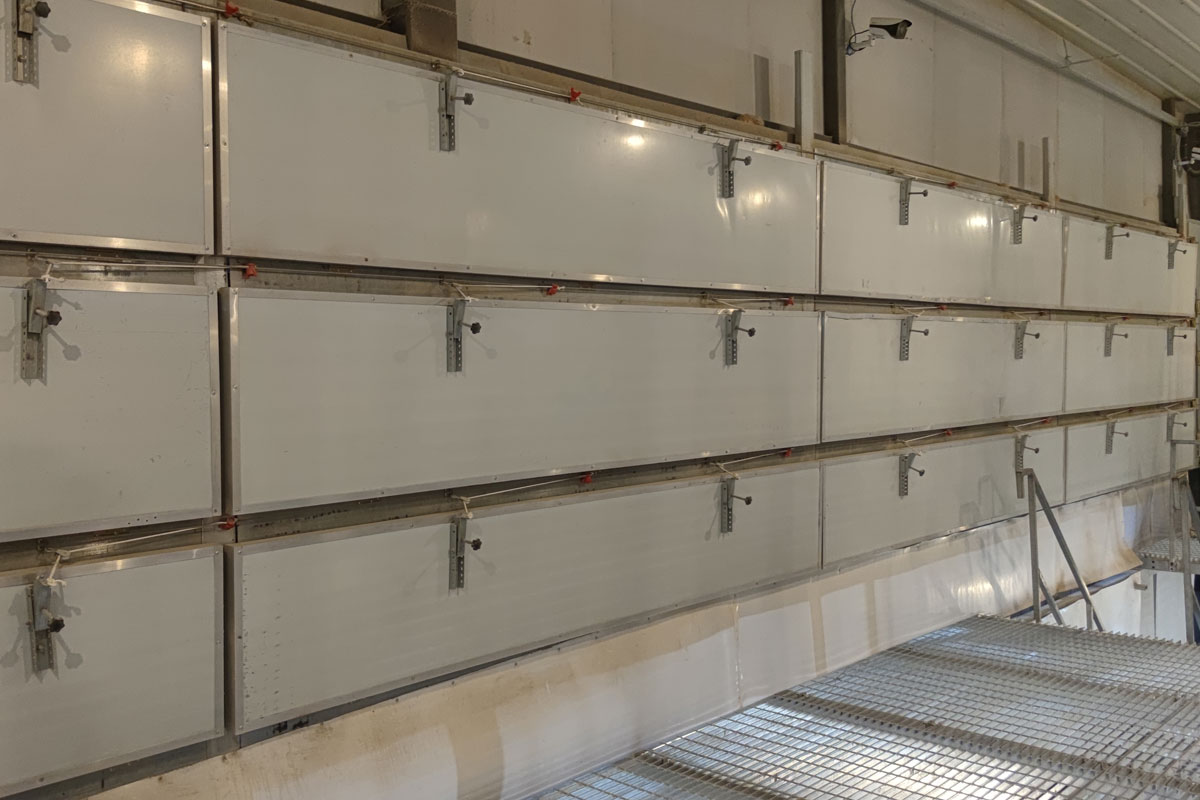
Chicken House Airflow Deflectors
What is a chicken coop air deflector?
A chicken coop air deflector, also known as a chicken coop ventilation deflector, is a device specifically designed to optimize airflow in chicken coops. It scientifically regulates the airflow speed and direction within the coop, ensuring fresh air flows smoothly into every corner while effectively expelling accumulated humid and hot gases, creating a comfortable and healthy growing environment for the chickens.
Core Functions of a Chicken Coop Air Deflector
1. Optimized Airflow
The air deflector breaks up stagnant air zones within the coop, guiding airflow along a pre-defined path and eliminating dead zones. This is especially important for enclosed chicken coops, effectively preventing the accumulation of harmful gases such as ammonia and carbon dioxide.
2. Precise Temperature and Humidity Regulation
By rationally guiding external airflow, the air deflector helps regulate the temperature and humidity inside the coop. In summer, it directs cool air to the chickens’ activity areas, while in winter, it prevents cold air from blowing directly on the chickens, achieving year-round environmental control.
3. Improved Farming Efficiency
Good ventilation directly affects the health and growth rate of the chickens. Using deflectors can reduce the incidence of respiratory diseases, improve feed conversion rate, and ultimately enhance overall farming efficiency.
Key Points Regarding the Installation Location and Angle of Air Flow Deflectors in Chicken Coops
Installation Location Selection
The installation location of the air flow deflector directly affects its effectiveness. Generally, it should be installed near the air inlet of the chicken coop or in the roof area. The specific location needs to be determined based on the chicken coop structure and usage requirements.
Angle Adjustment Techniques
For chicken coops with smooth, unobstructed roofs, the optimal installation angle for the air flow deflector should be parallel to the roof angle or slightly tilted towards the roof. This setting ensures that airflow smoothly reaches the top of the chicken coop, forming a good air circulation path. In actual installation, it is recommended to adjust the angle appropriately according to seasonal changes and the age of the chickens.
Chicken House Airflow Deflector Material and Selection Guide
Common Material Comparison
Aluminum Alloy Frame Airflow Deflector: Lightweight and durable, good oxidation resistance, suitable for long-term use
Hot-dip Galvanized Pipe Frame Airflow Deflector: High strength, strong corrosion resistance, excellent cost performance
PVC Material Airflow Deflector: Affordable price, easy installation, but relatively low durability
Selection Considerations
Insulation Performance: High-quality airflow deflectors should have good insulation performance to avoid local temperature fluctuations caused by airflow.
Corrosion Resistance: Chicken house environments are humid and contain corrosive gases; choosing corrosion-resistant materials is crucial.
Specification Matching: Select appropriate specifications based on chicken house area, roof height, and ventilation system type.
Adjustment Flexibility: Prioritize airflow deflectors with adjustable angles to adapt to the needs of different breeding stages.
Price Factor Analysis
The price of chicken coop baffles is influenced by various factors, primarily including material type, specifications, and brand differences. Generally, aluminum alloy baffles are more expensive but have a longer lifespan, hot-dip galvanized pipe products offer better value for money, while PVC baffles are suitable for farmers with limited budgets. Farmers are advised to consider their own needs and long-term benefits to choose the most suitable product.
As an important auxiliary device for chicken coop environmental control, baffles play an irreplaceable role in improving ventilation and regulating temperature and humidity. Scientific selection and proper installation of baffles can create a more suitable growth environment for the flock, contributing to improved farming efficiency. If you have further questions about the selection or installation of chicken coop baffles, please consult a professional equipment supplier for personalized advice.