A Scientific Guide to Humidity Control in Chicken Houses
1. Where does humidity in the chicken house come from? (Sources of Humidity)
Air brought in from the outside: accounts for approximately 15%-20% of the total water vapor.
Internal evaporation: Water evaporates from moist floors, drinking water, bedding, and walls, accounting for approximately 20%-25%.
Exhaled by the chickens: The primary source! The higher the temperature, the greater the exhaled volume:
At 13°C: approximately 113ml of water vapor per bird per day.
At 35°C: up to 218ml of water vapor per bird per day.
2. Temperature and Humidity
High temperature combined with high humidity: severely hinders heat dissipation by evaporation (the primary heat dissipation method) in chickens, exacerbating heat stress.
Low temperature combined with high humidity: Humid air has a strong thermal conductivity, absorbing radiant heat from the chickens, leading to excessive heat loss, increased feed intake, and increased frostbite.
3. Humidity Requirements for Chickens at Different Stages
Flock Stage Optimal Relative Humidity Range
Broilers: 60%-70%
Early Broiler Stage: 65%-70%
After 2 weeks of brooding: 50%-60%
Finishers: 65%-70%
(Under high temperatures, both excessively high and low humidity levels can severely impact broiler performance.)
4. Harmful Effects of Excessive Humidity
High temperature and humidity:
Imprisons heat dissipation, exacerbating heat stress.
Feed and litter are prone to spoilage, potentially leading to aspergillosis and coccidiosis.
Bacteria breed, reducing disease resistance.
Damp and clumping litter increases ammonia concentrations, causing damage to the chicken’s feet (such as thoracic cysts and footpad dermatitis) and eyes.
Low temperature and humidity:
Excessive heat loss in chickens, increased feed intake, decreased feed efficiency, and increased susceptibility to colds.
Also, damp litter, ammonia problems, and damage to the feet and breast.
5. Harms of Low Humidity
Brooding Period: Chicks become dehydrated, yolk absorption is poor, feathers dry out, and mortality increases.
All Stages:
Poor feather growth leads to increased feather plucking.
Cracked skin and mucous membranes weaken the protective barrier.
Dry respiratory mucosa impairs cilia movement, reducing the ability to remove dust and pathogens.
Increased dust levels in the house allow pathogens (such as E. coli and Salmonella) to easily invade the respiratory tract and bloodstream, increasing morbidity.
6. Key Measures for Precise Humidity Control in Chicken Houses
1. How to Effectively Increase Humidity (Especially During the Brooding Period/Dry Season)
Scientific Spraying/Watering: Spray in small amounts frequently (recommended: approximately 8L of water per 100m³). Point the nozzle upward for evenly distributed droplets. Add approved disinfectants to the water for both disinfection and humidification.
Evaporation by Heating: In winter, place a water pan on the heating system to use the heat source for natural evaporation.
Optimize ventilation: While ensuring air quality, reduce unnecessary excessive ventilation to prevent rapid moisture loss.
Winter misting precautions: Preheat the water temperature to no less than the house temperature to avoid cold stress in the flock.
2. How to effectively reduce humidity (Common Problems)
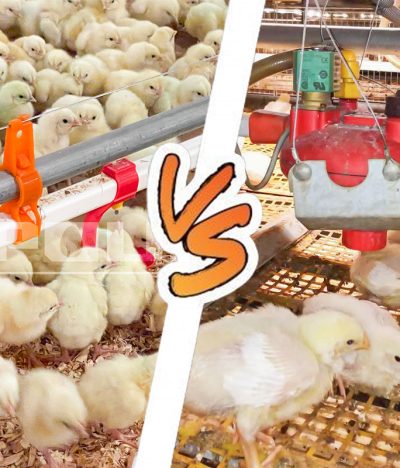
Solve water source issues: Strictly manage the drinking system: Ensure nipple drinkers are at the appropriate height and water pressure, and use a water cup under each nipple to prevent leaks and splashing. Repair leaks promptly.
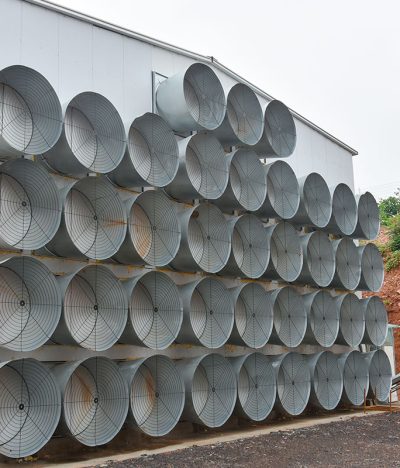
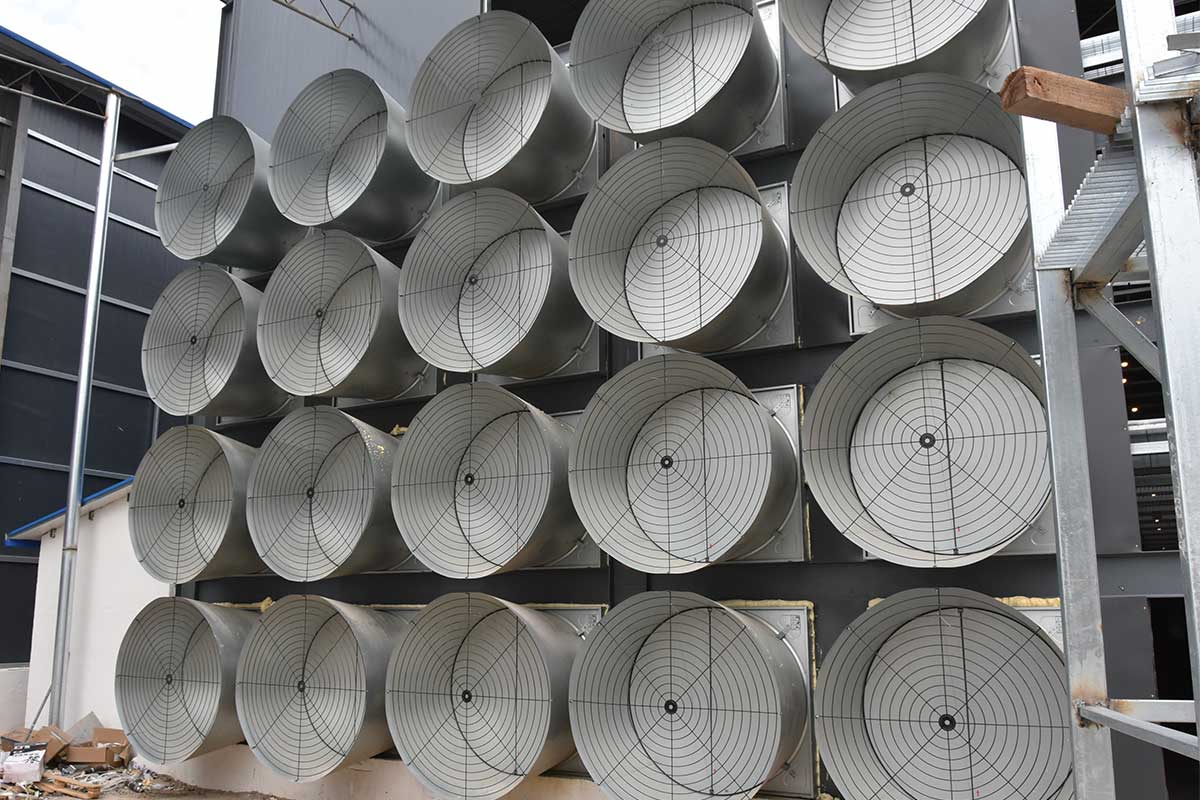
Scientific ventilation: Core approach, Increase ventilation volume (especially negative pressure ventilation) to use airflow to remove moisture. At low temperatures, heating the air first increases its moisture-carrying capacity before ventilating for more efficient moisture removal.
Summer water curtain management: When external humidity is high, avoid continuous use of water curtains, which can lead to oversaturation in the house. Use intermittent operation or discontinue use when humidity reaches the standard.
Frequently clean manure and change bedding: Promptly remove damp and caked bedding and replace with dry, fresh bedding to reduce evaporation at the source.
Use Desiccant: When humidity is >80%, spread quicklime (calcium oxide) on the ground to absorb moisture (be careful).
Winter Focus: Maintain a reasonable stocking density, clean manure frequently, and install a humidity meter for monitoring (target 55%-60%).
3. Other Important Measures
Site Selection and Construction: Select a poultry farm in a dry location, and treat walls and floors with moisture-proofing.
Environmental Greening: Plant trees and grass within the farm area to naturally regulate the microenvironmental humidity through plant transpiration.
Humidity management in the poultry house is a key component of precision farming. A thorough understanding of humidity sources, its interaction with temperature, its impact on different flocks, and the harmful effects of high and low humidity is fundamental to developing an effective control strategy. Farmers should consider seasonal changes, flock age, and real-time monitoring data (be sure to install a reliable humidity meter!). They should flexibly utilize ventilation, water management, misting, litter control, and moisture-absorbing materials to maintain a stable humidity within an appropriate range, creating a healthy and comfortable environment for the chickens and ultimately achieving the goal of reducing costs and increasing efficiency.