Advantages and applications of four-layer laying hen cage system
In modern poultry farming, continuous technological innovation is driving improvements in production efficiency, farm scale, and animal welfare. Four-tier layer cage systems, as advanced layer farming equipment, are gaining popularity among farmers. Through scientific design and intelligent management, these systems significantly increase stocking density and production efficiency, making them particularly suitable for large-scale layer farms.
What is a four-tier layer cage system?
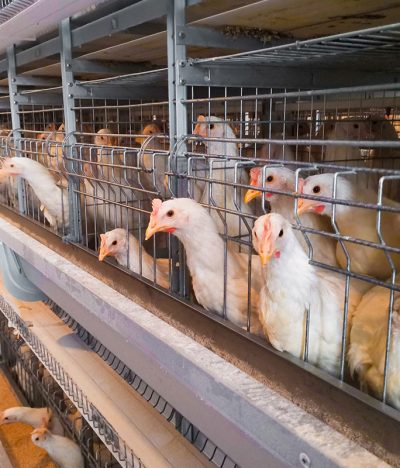
Four-tier layer cages utilize a three-dimensional stacked design, with each tier housing a series of individual cages. This fully utilizes vertical space and allows for higher stocking densities. Cages are typically constructed of corrosion-resistant materials such as galvanized steel or stainless steel, ensuring a strong structure and long lifespan.
Core Advantages of Four-Tier Layer Cages:
Significantly Improved Egg Production Rate
By optimizing the spatial layout, the four-tier layer cage system allows more laying hens to be housed within a limited area, thereby increasing overall egg production and helping farmers achieve higher economic returns.
Improved Hygiene
The three-dimensional structure facilitates cleaning and disinfection, effectively reducing the risk of disease transmission. The accompanying manure removal system promptly disposes of excrement, maintaining excellent sanitation within the chicken house.
Efficient Utilization of Farming Space
Compared to flat or traditional cage systems, the four-tier layout significantly saves land and is particularly suitable for farms with limited land resources or those planning to expand production.
Improved Animal Welfare
Modern four-tier layer cages are designed with the behavioral needs of laying hens in mind, providing ample space for movement, perches, and laying areas. They are equipped with automated feeding, drinking, and temperature control systems to reduce stress and ensure flock health.
Reduced Long-Term Operating Costs
Although the initial investment is relatively high, the four-tier layer cage reduces labor costs through automated control, optimizes feed conversion rates, and reduces waste, thereby improving overall farming efficiency.
Considerations for Implementing a Four-Tier Layer Cage System:
Before implementing a four-tier layer cage system, a farm should conduct a comprehensive assessment based on its actual scale, funding, and technical requirements. The chicken house should also be equipped with adequate ventilation, lighting, and sewage treatment facilities to maximize the system’s effectiveness.
The four-tier layer cage system is a significant technological innovation in the poultry farming industry, demonstrating its effectiveness in increasing egg production efficiency, optimizing space utilization, improving animal welfare, and reducing production costs. As the livestock industry develops towards scale and intelligentization, the four-tier layer cage system will become a key tool for enhancing the competitiveness and sustainability of layer farming. If you’re considering upgrading your farming equipment, you might want to learn more about whether the four-tier layer cage system meets your needs.