How to Improve Aquaculture Efficiency and Profitability Through Automation
I. Layer Chicken Farming: Choosing Between Type A and Type H Cage Systems?
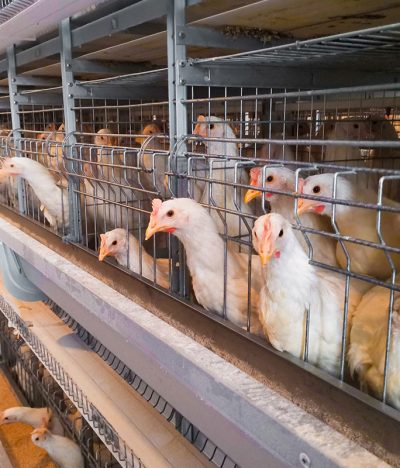
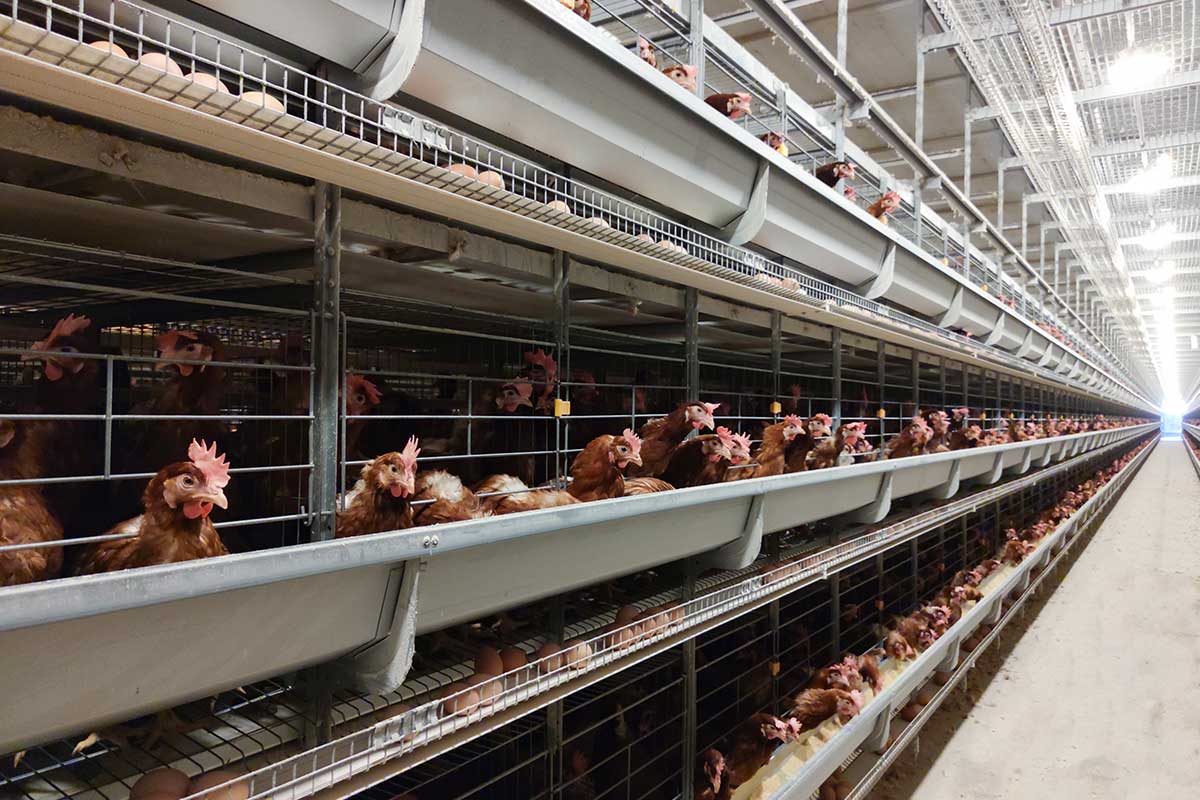
In layer chicken farming, Type A and Type H cage systems are the most mainstream choices.
Type A systems are more suitable for small and medium-sized farms. Their economical and practical features, along with easy installation, help owners achieve automated management with lower investment, optimizing egg production and space utilization.
Type H systems, on the other hand, are the ideal choice for large-scale commercial operations. Through higher stocking densities and comprehensive automation, they significantly improve management efficiency, ensure clean and efficient egg collection, and minimize breakage rates.
II. Automated Feeding and Watering: How to Reduce Costs and Increase Efficiency?
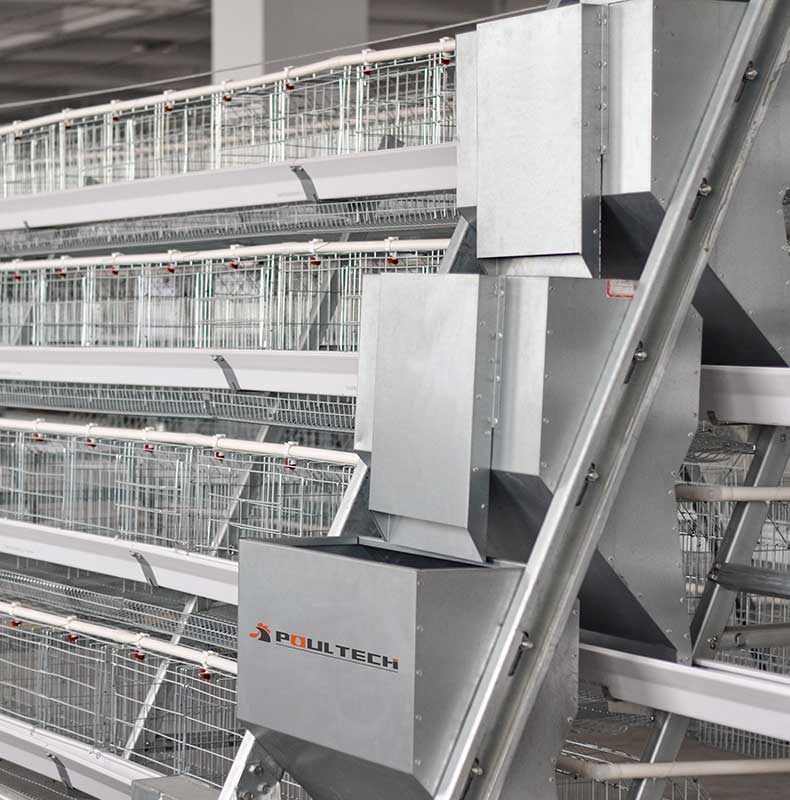
Automated feeding systems use electric feeders or conveyor chains to precisely deliver feed from a central feed bin to each row of chicken cages. Their advantages are significant:
* Reduce feed waste by up to 20%
* Ensure even feed distribution
* Significantly reduce reliance on manual labor
Automated watering systems generally use nipple drinkers and drip cups to continuously provide clean drinking water for the chickens, effectively preventing contamination and ensuring flock health.
III. Manure Removal: How to Maintain Chicken House Hygiene and Environment?
Modern poultry farms primarily rely on two efficient manure removal systems:
* PP Conveyor Belt Manure Removal System: A plastic conveyor belt running at the bottom of the cages automatically and periodically removes manure from the chicken house.
* Scraper Manure Removal System: Utilizes steel scrapers to clean manure within fixed channels.
Both systems achieve regular cleaning, significantly reducing ammonia concentration in the house and improving the health environment for the flock, which is especially crucial for high-density poultry farms.
IV. Chicken House Design: What are the Core Considerations?
A scientific chicken house design is the foundation of a successful farm. Key considerations should include:
Effective ventilation and temperature control systems
A well-planned layout of natural or artificial lighting
Planning of feeding, watering, and egg collection routes
Structural strength sufficient to support multiple cages
Professional solution providers will offer customized designs based on your site, climate, scale, and chosen system to ensure smooth construction and long-term stable operation.
V. Is the equipment suitable for broilers and pullets?
Absolutely. Our professional equipment solutions cover the needs of all types of poultry: H-type broiler cage system: Designed specifically for the rapid growth of broilers, equipped with a sturdy floor and efficient waste management.
Puller cage system (A-type and H-type): Provides a healthy and controlled growth environment for chicks until they are successfully transferred to layer cages.
VI. What benefits can upgrading to automated equipment bring?
Real-world examples demonstrate that automation upgrades can bring significant returns:
Egg production can increase by up to 30%
Labor costs can be reduced by 40%-50%
Air quality and hygiene can be improved, and mortality rates can be reduced
Broiler feed conversion ratio can be optimized to 1.6:1
For example, a Russian farm saw its monthly egg production increase by 26% within just three months after adopting the H-type layer cage system.
Investing in a complete poultry farming equipment solution—encompassing scientific chicken coop design, efficient cage systems, and automated feeding, watering, and manure removal systems—is the core path to efficient, clean, and profitable farming. Whether you are a startup farm or planning to expand, professional technology and support can effectively help you achieve your production and profit goals.