The Complete Broiler Production Process: From Egg to Chicken
1. Incubation Stage: Incubators and Hatchery Automation
Everything starts with a high-quality hatching egg. The first critical step in broiler production takes place in a modern hatchery, which is fully automated and precisely controlled.
Egg Selection and Disinfection: Breeding eggs delivered from the breeder farm are first carefully screened. Only high-quality eggs with uniform size and intact shells enter the incubation stage. They then pass through a disinfection device to eliminate surface microorganisms, laying the first foundation for healthy chicks.
Fully Automated Incubators: Qualified hatching eggs are placed in large, fully automated incubators. These high-tech devices perfectly simulate the incubating environment of a hen:
Precise Temperature Control: Optimal incubation temperatures of 37.5°C to 37.8°C are continuously maintained.
Humidity Control: Humidity is precisely controlled according to the incubation stage to ensure normal embryonic development and prevent excessive evaporation.
Automated Egg Turning: A robotic arm gently and regularly turns the eggs to prevent the embryo from adhering to the shell and promote even heating.
Ventilation: Ensures fresh air and adequate oxygen in the incubator.
Hatching and Handling: After approximately 21 days of incubation, the chicks will hatch on their own. They then undergo automated handling procedures, including grading, vaccination (such as Marek’s disease vaccine), and beak trimming, before being quickly and safely transported to the farm.
2. Brooding and Rearing: Fully Automated Poultry Farming Equipment
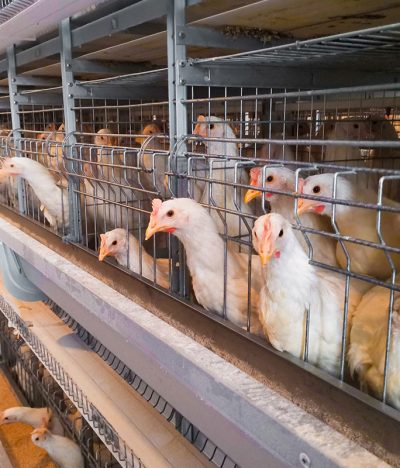
Newborn chicks are extremely fragile and require meticulous care. Modern poultry houses use fully automated equipment to provide them with the ideal starting point for growth.
Environmental Control: Temperature, humidity, and ventilation within the poultry house are automatically controlled by a computer system. The temperature is typically maintained at around 32°C during the first week of brooding, then slowly decreases each week to provide the chicks with the most comfortable environment.
Automated Feeding and Watering: Pan or chain feeding systems provide the chicks with a nutritionally balanced feed at a regular, quantitative rate. Nipple drinkers ensure that the chicks have access to clean, fresh water at all times, significantly reducing the risk of water contamination.
Lighting Management: The automated lighting system mimics the chicks’ natural circadian rhythm, regulating the chicks’ feeding, drinking, and resting habits by controlling the duration and intensity of light exposure, thereby promoting their healthy growth.
Meticulous management during this stage directly determines the chicks’ survival rate and early growth and development quality.
3. Growth Period: Efficient and Sustainable Management
After the critical brooding period, broilers enter a rapid growth phase. The goal of this phase is to achieve maximum growth efficiency while ensuring animal welfare and health.
Health Monitoring and Biosecurity: Farmers conduct daily inspections to monitor the flock’s mental state, feed intake, and water consumption, promptly identifying and isolating sick or weak individuals. Strict biosecurity measures (such as personnel and vehicle disinfection and preventing wildlife from entering) are essential for preventing the introduction of disease.
Precision Nutrition and Feed Formula: Scientists formulate specialized feeds based on the nutritional needs of broilers at different growth stages, ensuring the optimal ratio of protein, energy, vitamins, and minerals for efficient conversion.
Bedding Management and Animal Welfare: Proper bedding (such as wood chips and rice hulls) effectively absorbs moisture, reduces ammonia emissions, and provides a clean and comfortable living environment for the flock. An increasing number of farms are adopting raised-bed or welfare-based farming models to improve the welfare of their flocks.
4. Slaughtering and Processing: A Complete Poultry Slaughtering Production Line
Once broiler chickens meet market standards, they are transported to a slaughterhouse that meets hygienic standards. After undergoing a series of standardized processes, they become the chicken products we are familiar with.
Humane Stunning: First, the live chickens are stunned using methods such as carbon dioxide or electric shock, allowing them to undergo subsequent handling painlessly, in accordance with humane principles.
Automated Slaughtering and Processing: The production line then completes a series of processes, including bleeding, scalding, depilation, and evisceration (removal of internal organs). The entire process is highly mechanized, minimizing human contact and ensuring product hygiene.
Inspection and Grading: Official veterinarians or quality inspectors inspect each carcass to ensure food safety. Approved chickens are graded and sorted based on weight, appearance, and other factors.